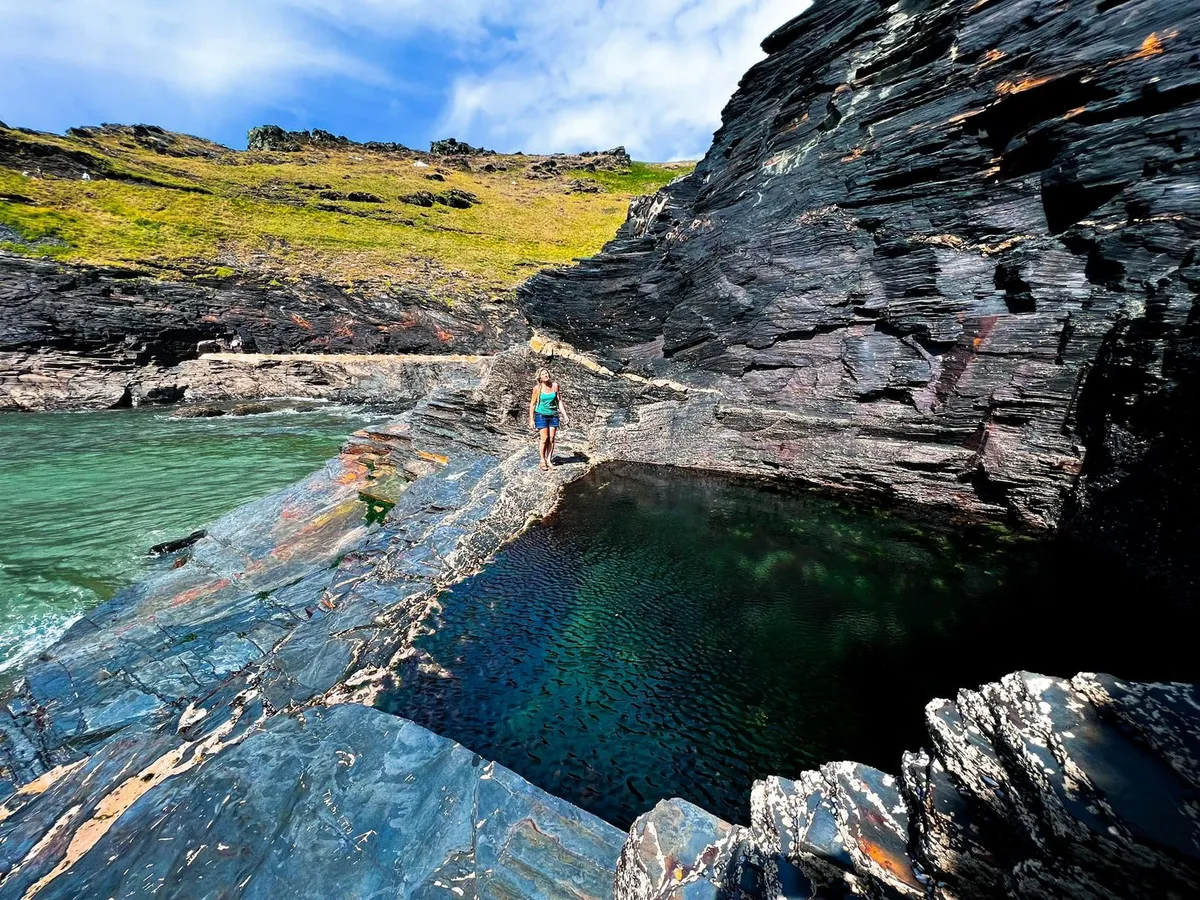
For residents of the UK and international visitors alike, there are many parts of the country beyond London that are well worth your time. Cornwall is one of the most popular UK destinations whether you are looking for a weekend getaway or want to spend an extended break exploring everything the county has to offer. A Cornwall holiday can be a memorable experience for people from all over the world, and there is so much variety here that it might change the way you look at holidaying in the UK altogether.
One of the reasons Cornwall has earned such a great reputation is its climate. The county enjoys the mildest weather in the UK, with warmer winters and cooler summers than most of England. While Cornwall certainly gets its share of rainfall, it is far less than the national average and considerably sunnier too. This makes Cornwall a great escape from grey city skies at any time of year.
Cornish Beaches make for perfect holidays
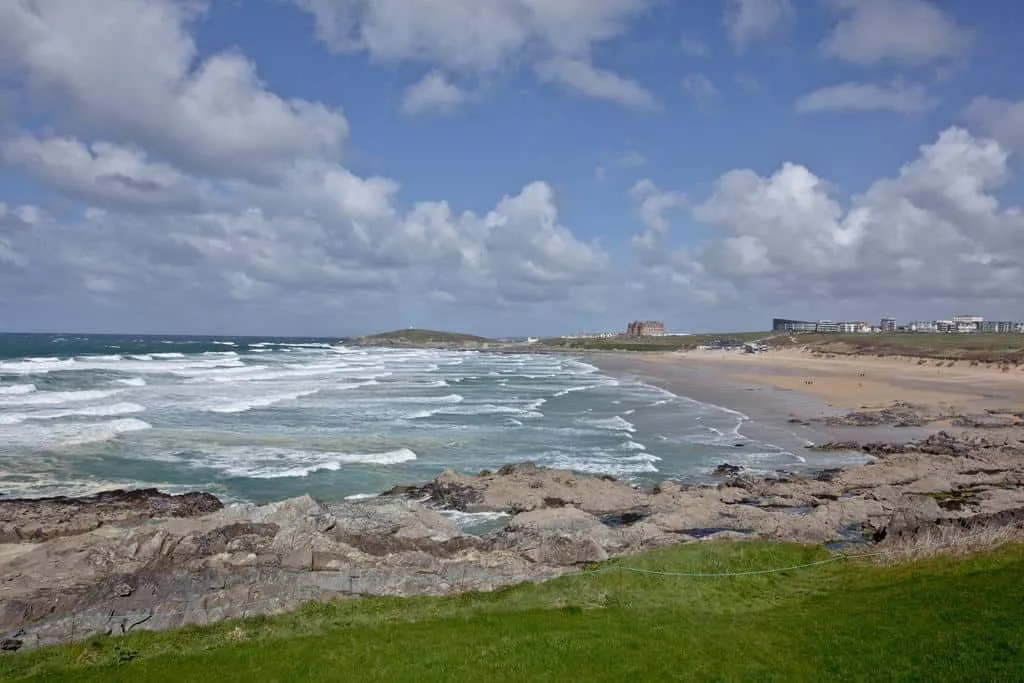
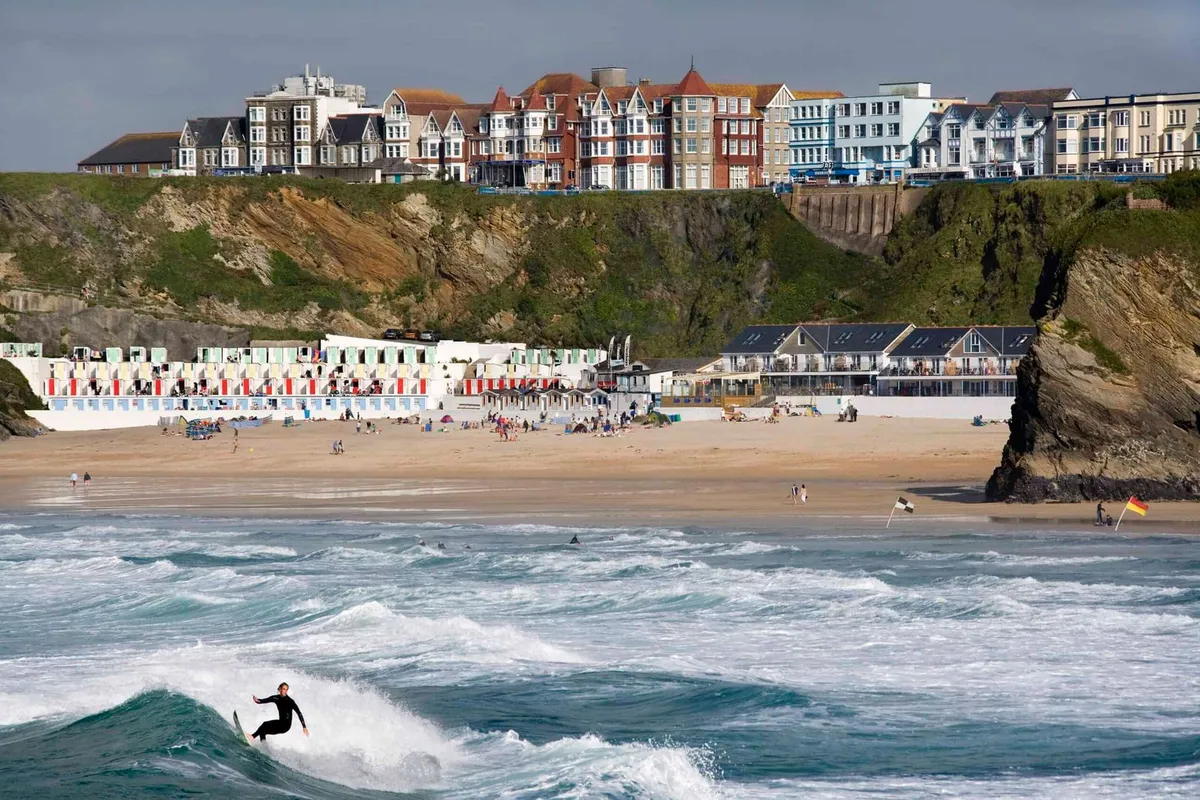
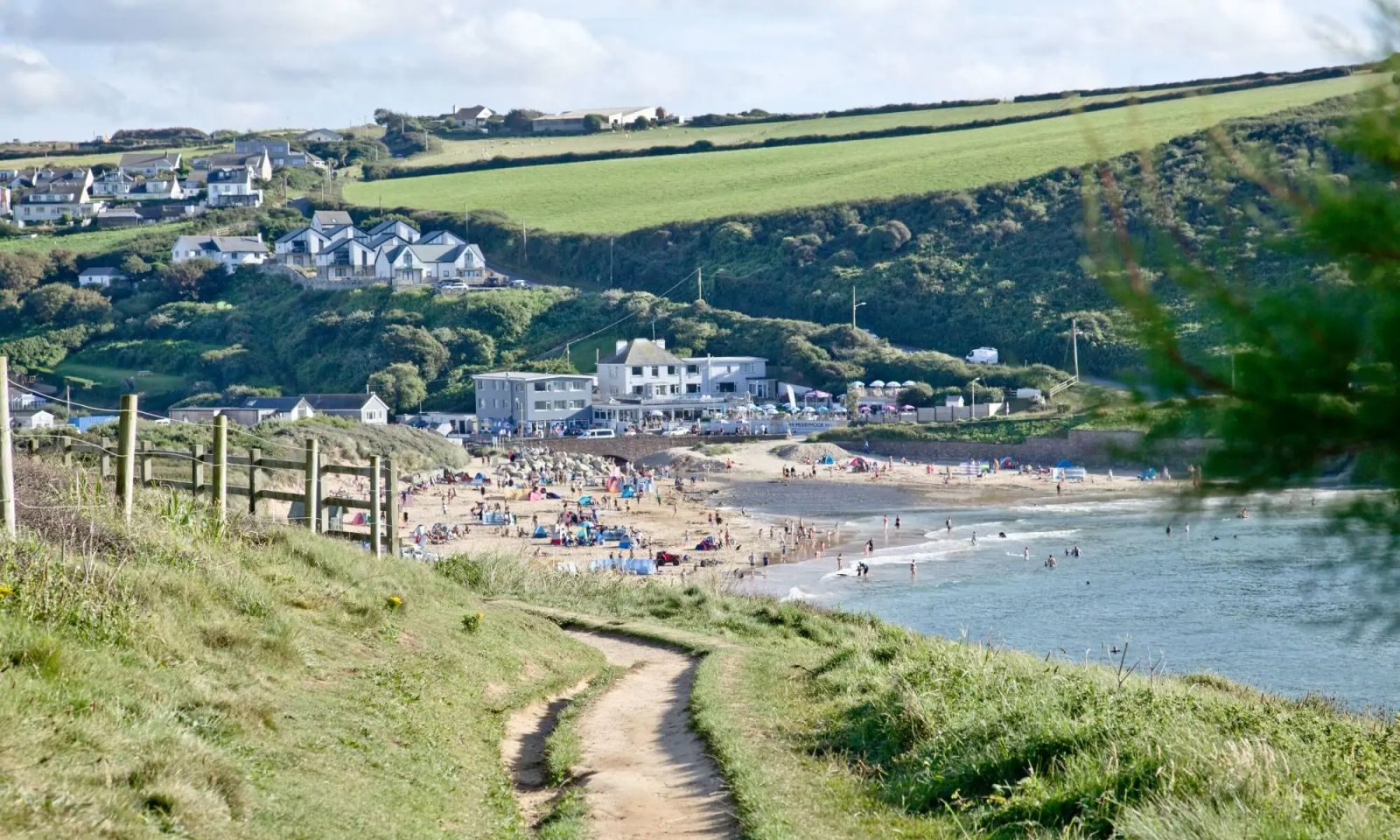
One thing most people agree on is that they want to be near the beach on holiday, and Cornwall delivers like nowhere else in Britain. With over 100 beaches - from sheltered coves to wide golden surf strands - there is a beach for every mood and every season. Our beach guide covers them all.
A Cornwall holiday is not only about the beach though (it can be if you want!). The landscape is remarkably varied and the activities are endless. In a single day you could surf at Fistral, explore a hidden cove on the Lizard, visit the Eden Project, and finish with fresh seafood in a harbour pub. If you are staying longer, each of those deserves a day of its own - but for a weekend trip it is a luxury to have so much within easy reach.
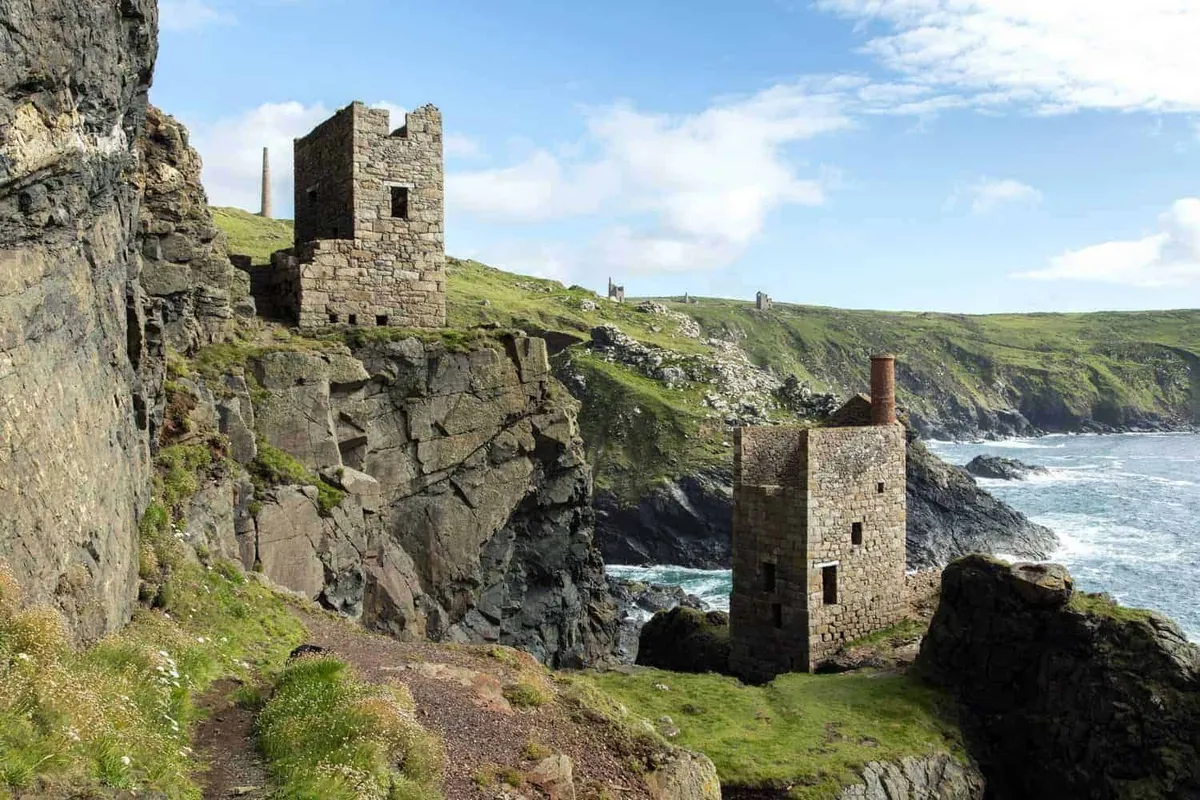
Despite its relatively compact size, Cornwall has an astounding amount of variety. Rugged north coast cliffs give way to the subtropical gardens of the south. Former mining landscapes sit alongside ancient fishing villages that have barely changed in centuries. It is a place that rewards slow exploration and return visits.
Cornwall is a peninsula on the southwestern tip of England, surrounded on three sides by the English Channel and the Celtic Sea. The county receives over five million visitors each year, and tourism makes up around a quarter of its economy. You can reach Cornwall via Newquay airport, Exeter airport, or the Great Western Railway mainline from London Paddington - including the iconic Night Riviera sleeper service.
Cornwall… The county of arts and culture
For those less interested in beach activities, Cornwall has a thriving arts and culture scene. The quality of light here - reflected off the sea from almost every direction - has attracted artists for generations. Today that legacy lives on at Tate St Ives, the Barbara Hepworth Museum, Falmouth Art Gallery, and countless independent studios and galleries dotted across the county.
If art is not your thing, there is still plenty to explore. Hill-top castles, cliff-edge fortifications, and ancient churches are scattered across the landscape. Cornwall’s mining heritage has earned international recognition from UNESCO, with 10 sites across the county representing its industrial past. You can experience this first-hand at the Geevor Tin Mine, the largest preserved mining site in the UK.
Another fascinating aspect of Cornish heritage is the Cornish language. Once considered close to extinction, a revival movement has seen it taught in schools and used on bilingual signs across the county. You will have no trouble communicating in English anywhere in Cornwall, but the language adds another layer of character to an already distinctive place.
Cornwall food and drink - home of the world-famous Cornish Pasty
Cornwall is a serious food destination. Being surrounded by ocean means an abundance of fresh seafood, from Padstow crab to Falmouth oysters. Celebrity chef Rick Stein has built a culinary empire here, with restaurants across Padstow and beyond. Paul Ainsworth, Nathan Outlaw, and a growing number of talented chefs have made Cornwall one of the UK’s most exciting dining regions.
The most famous Cornish food remains the pasty - a savoury pastry traditionally filled with beef steak, onion, potato, and swede, seasoned with salt and white pepper. Cornwall’s other great food export is clotted cream, which has Protected Geographical Status and cannot legally be called Cornish clotted cream if made elsewhere. You will find it served with scones and jam in virtually every tea room in the county - just be prepared for the cream-first-or-jam-first debate.
Many beers are brewed locally too, with Sharp’s Brewery, Skinner’s, and St Austell Brewery all producing excellent ales and stouts. Smaller producers are also making waves with Cornish wines, meads, and ciders.
Activities and adventure
Cornwall is built for being outdoors. The South West Coast Path runs for 296 miles along the entire coastline, with sections ranging from gentle clifftop strolls to demanding full-day hikes. Surfing is the county’s signature sport - Fistral Beach in Newquay hosts national competitions, while beaches like Polzeath and Watergate Bay are popular with beginners. Our watersports guide covers everything from paddleboarding to coasteering.
Cycling is well supported too, with the Camel Trail running 18 miles along a traffic-free former railway line between Padstow, Wadebridge, and Bodmin. Bike hire is available at both ends. For something more challenging, the coast road between St Ives and Land’s End has some of the best cycling views in the country.
Wildlife
Cornwall’s position at the tip of the south-west peninsula makes it one of the best places in England for wildlife. Grey seals are common along the north coast - colonies at Godrevy, Mutton Cove near Padstow, and around the Lizard are regularly visible from the coast path. Between May and September, pods of bottlenose dolphins and harbour porpoises are frequently spotted off the north coast, particularly around Newquay and St Ives.
The Isles of Scilly, 28 miles off Land’s End, are home to breeding colonies of Atlantic puffins during spring and early summer. On the mainland, Bodmin Moor supports Dartmoor ponies, and the RSPB reserve at Marazion Marsh is one of the best birdwatching sites in the south-west. Boat trips for wildlife watching run from several harbours during the warmer months.
Family-friendly Cornwall
Cornwall is one of the most family-friendly holiday destinations in the UK. The beaches alone keep children occupied for days - rock pools at low tide, bodyboarding in the shallows, and sandcastle-building on wide sandy stretches like Perranporth and Harlyn Bay.
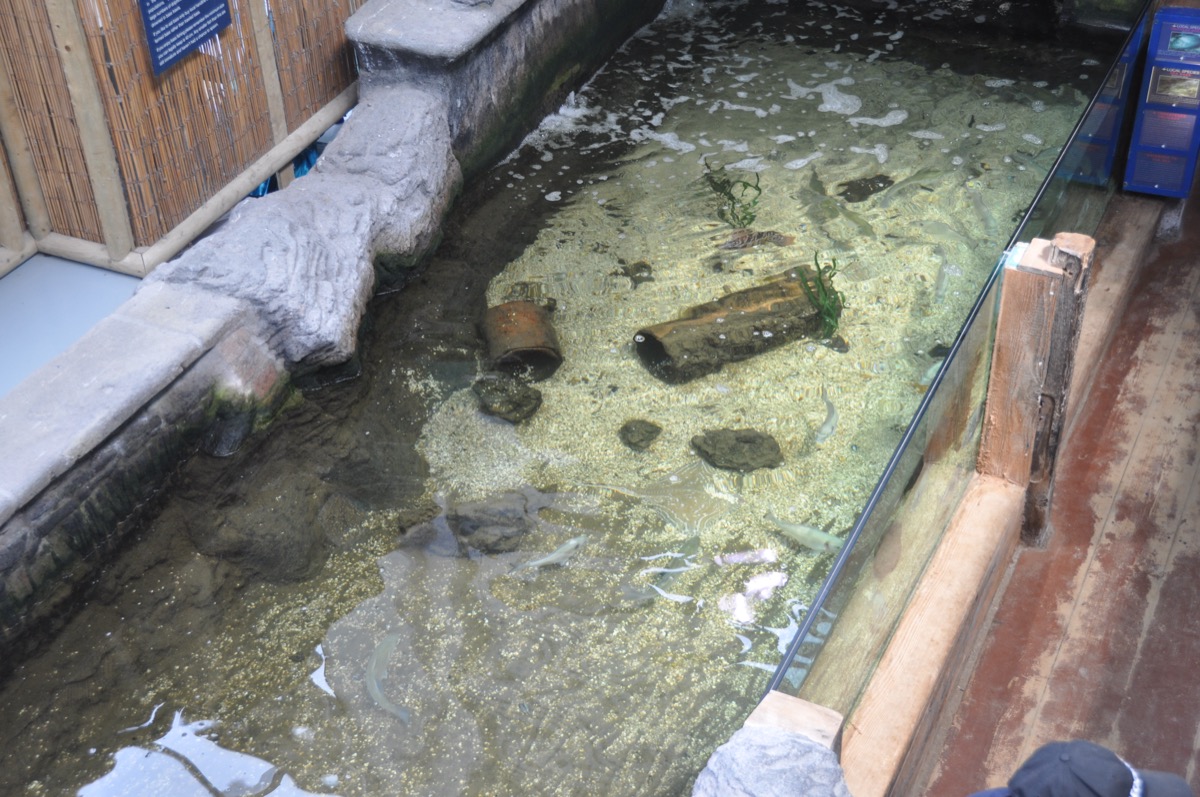
Beyond the beach, the Eden Project has educational programmes aimed at children, the Blue Reef Aquarium in Newquay houses over 40 marine habitats, and attractions like Lappa Valley Steam Railway and Dairyland Farm are designed specifically for younger visitors. The Minack Theatre near Porthcurno runs family-friendly shows during summer, and many holiday parks include swimming pools, play areas, and kids’ clubs.
Self-catering family cottages are widely available, and most restaurants welcome children. See our attractions guide for a full list of family days out.
Practical tips
Best time to visit: July and August bring the warmest weather but also the highest prices and busiest roads. June and September are often the best compromise - warm enough for the beach, but with fewer crowds and lower accommodation costs. Cornwall is worth visiting year-round - see our winter guide for off-season ideas.
How long to stay: A long weekend is enough to explore one area - Newquay, St Ives, or the south coast. A full week lets you cover the whole county at a relaxed pace, combining beaches, attractions, and coastal walks. Two weeks is ideal for those who want to explore without rushing.
Getting around: A car is the most practical way to explore Cornwall, though parking in popular towns can be difficult in summer. The branch railway lines to St Ives, Falmouth, and Looe are scenic alternatives. Local buses connect the main towns, but services to rural areas are limited.
Cornwall has proven itself to be one of the UK’s finest holiday destinations. With its extraordinary coastline, rich heritage, world-class food scene, and genuinely welcoming communities, it is easy to see why millions of people return year after year. If you have never visited, there has never been a better time to plan your Cornwall holiday.