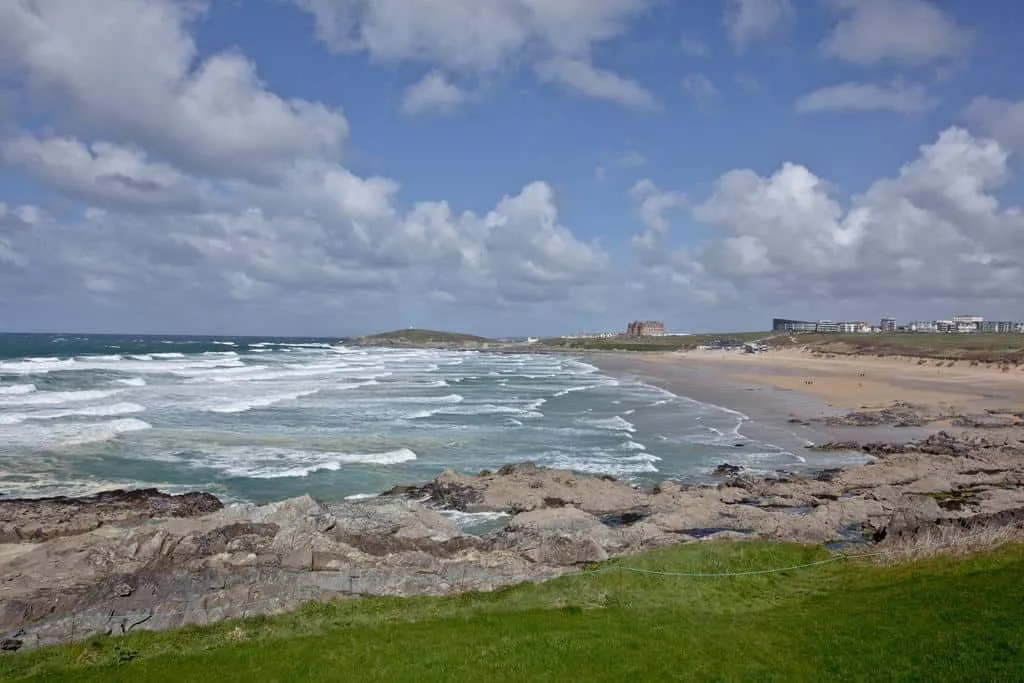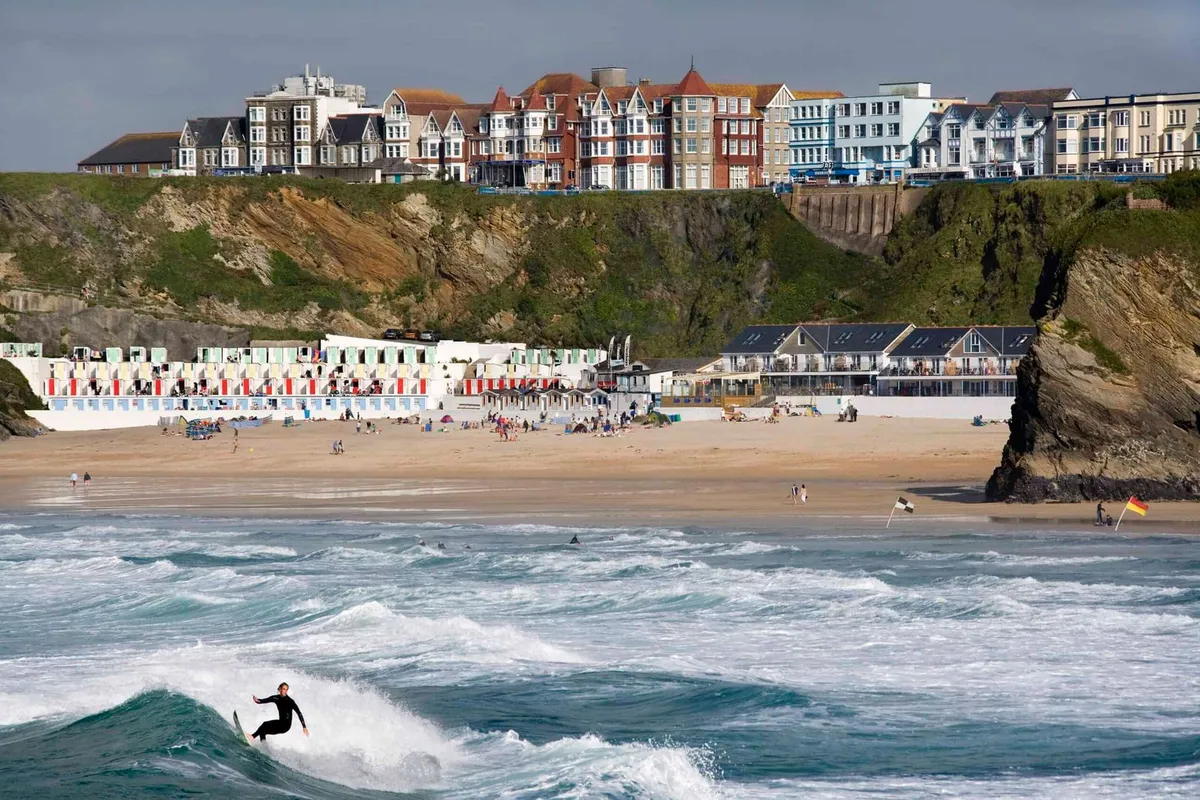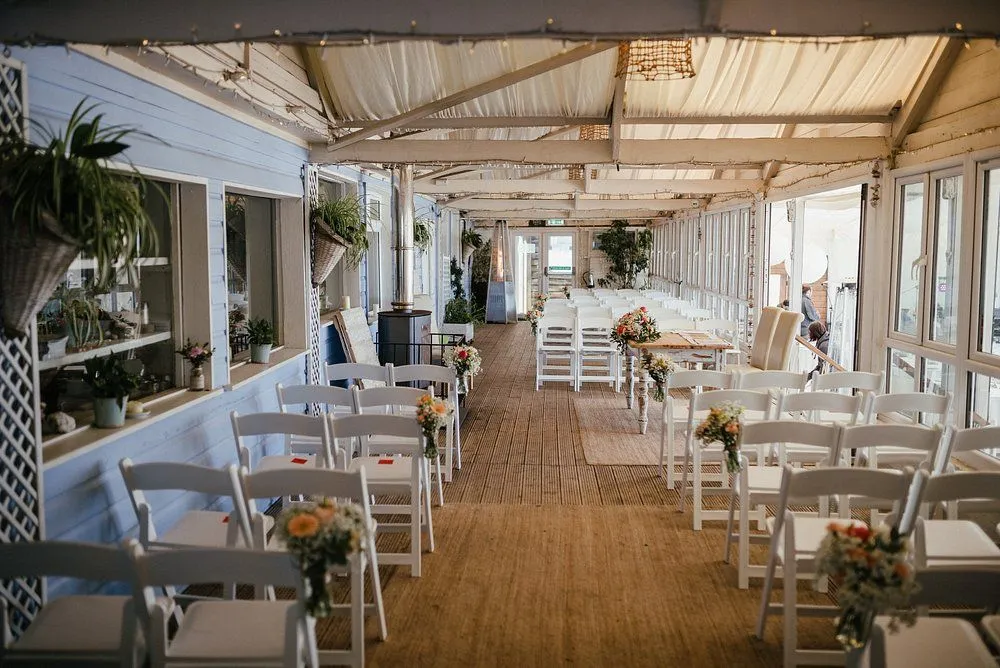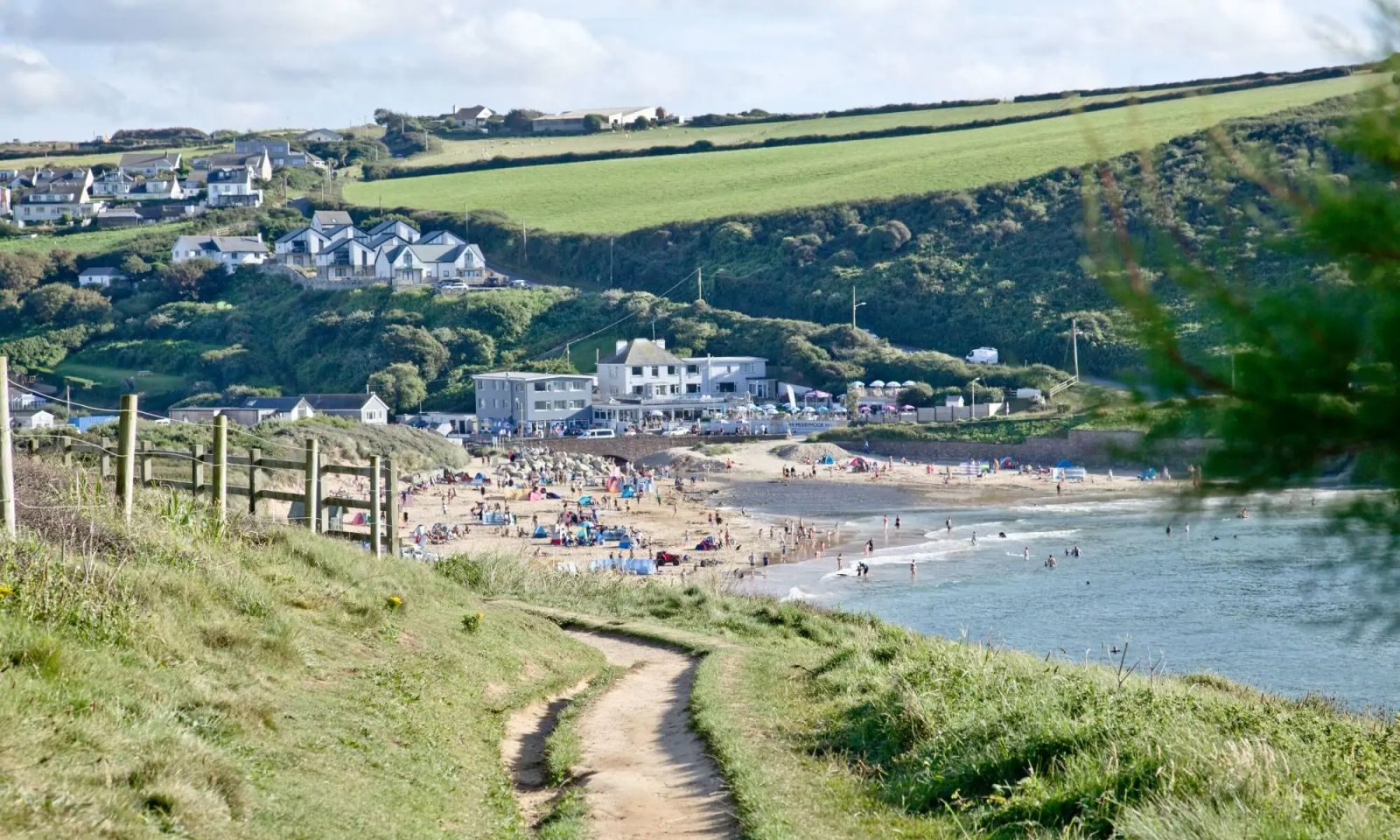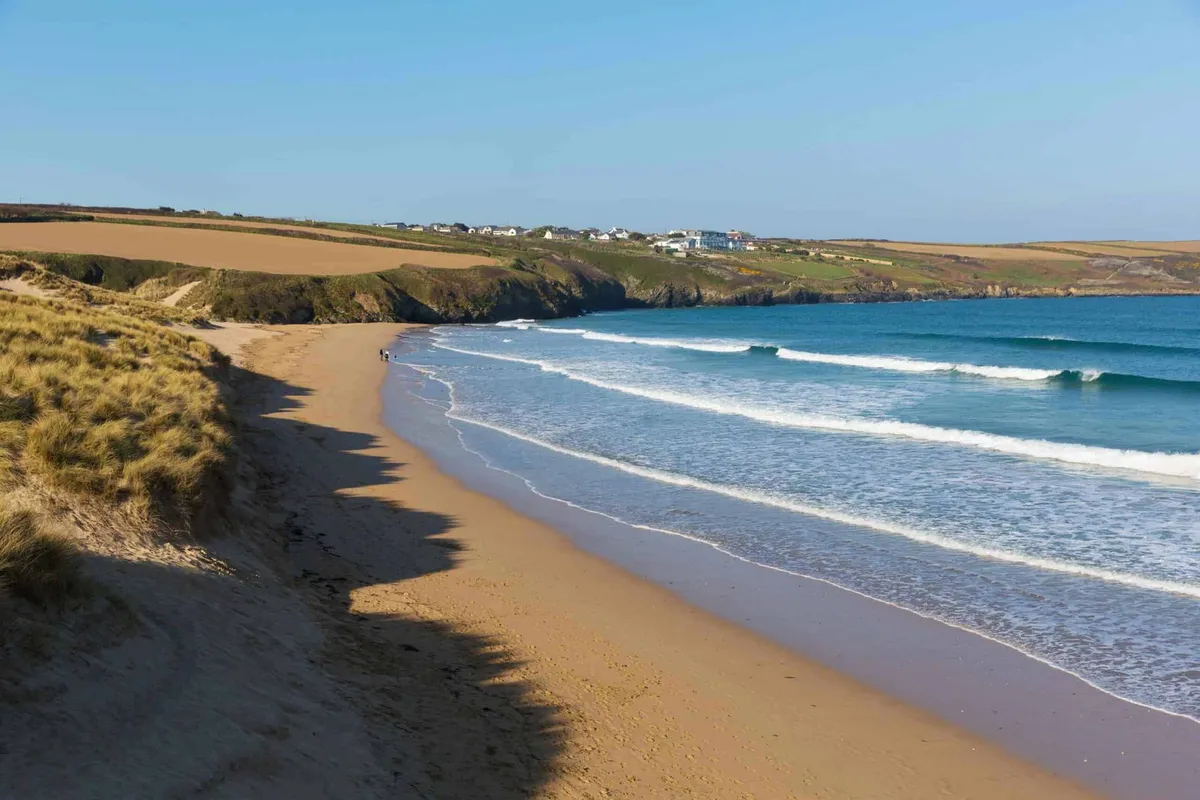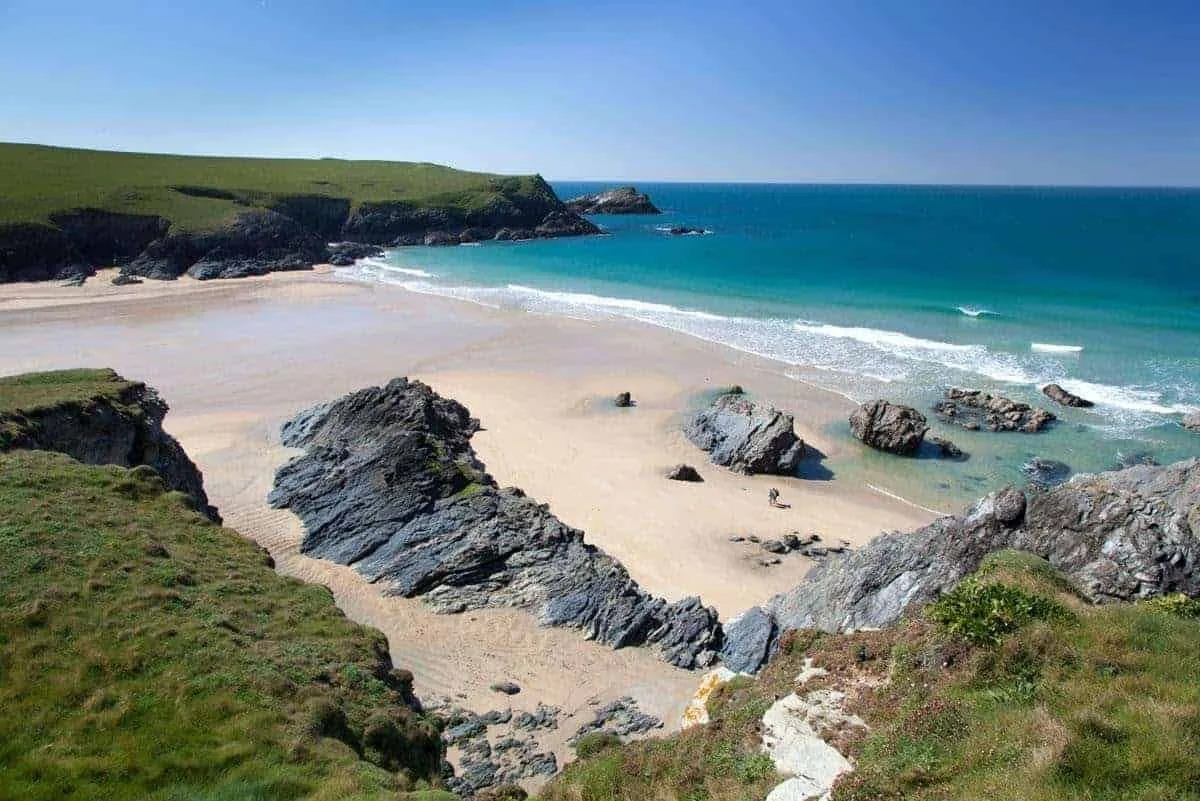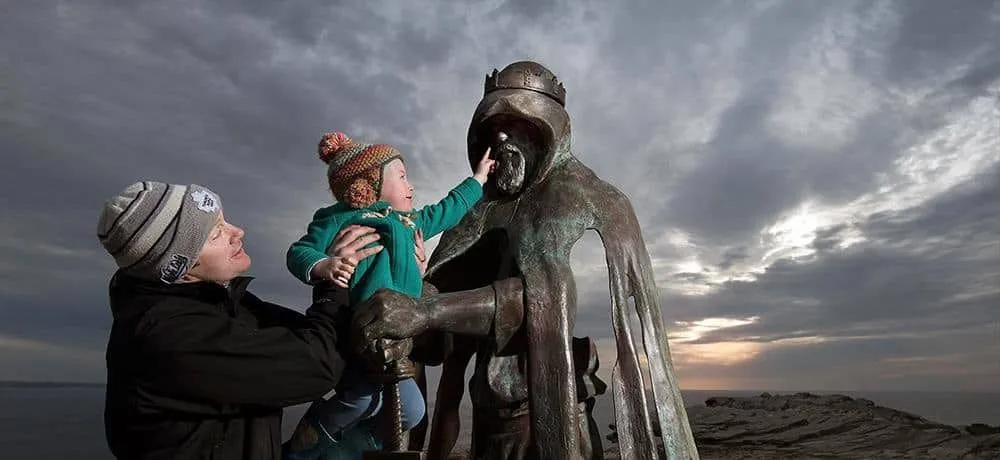
Cornwall in winter is not the same county you visit in August. The beaches are empty, accommodation costs 30-40% less than peak rates, and the Atlantic puts on its most dramatic show. The Gulf Stream keeps coastal temperatures between 7-10°C - rarely dropping below 5°C on the coast - which makes it manageable rather than harsh. What you need to be honest about: November through January brings persistent rain and strong winds. Many seasonal cafes, surf hire shops, and smaller attractions close entirely. February and March can surprise you with clear, sharp days where the light across the water is genuinely unlike anything in summer.
If you go in expecting quiet rather than convenience, winter Cornwall rewards you.
Storm Watching
The north coast takes the full force of Atlantic weather systems between October and February, and clifftop positions become spectacular viewing points. Trevose Head, north of Padstow, is one of the most exposed promontories in Cornwall - the lighthouse has recorded gusts above 80mph during major storms, and on rough days the spray reaches the clifftop path. Bedruthan Steps, a National Trust site roughly 10 miles south of Newquay, offers a high vantage point above the sea stacks where waves break at height during heavy swells. Land’s End is the most accessible option if you are based in West Penwith, with a large car park and no admission charge to reach the cliff edge.
The practical rules apply everywhere: stay well back from unfenced edges, check Met Office warnings before travelling, and do not attempt cliff paths in severe wind. The best storm watching is often in the aftermath of a frontal system - the wind stays strong, the sky clears in patches, and the sea runs white for miles.
What Stays Open in Winter
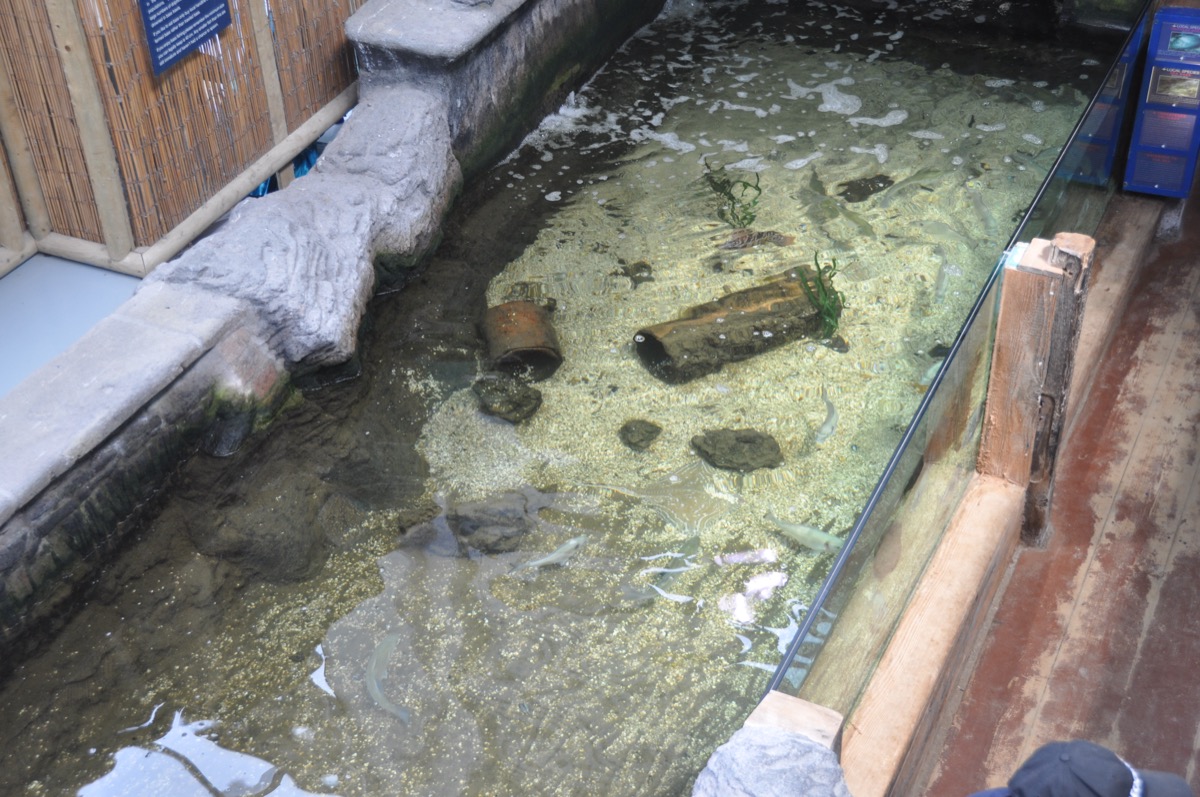
Major attractions with year-round operation: the Eden Project near St Austell (open daily from late January, closed through most of January for maintenance - check their site before travelling), the Lost Gardens of Heligan near Mevagissey, Tintagel Castle (reduced hours from December to February, typically Friday to Sunday), Blue Reef Aquarium in Newquay (10am-4pm weekdays, 10am-5pm weekends), and Lanhydrock grounds near Bodmin (house closes January-February, grounds stay open).
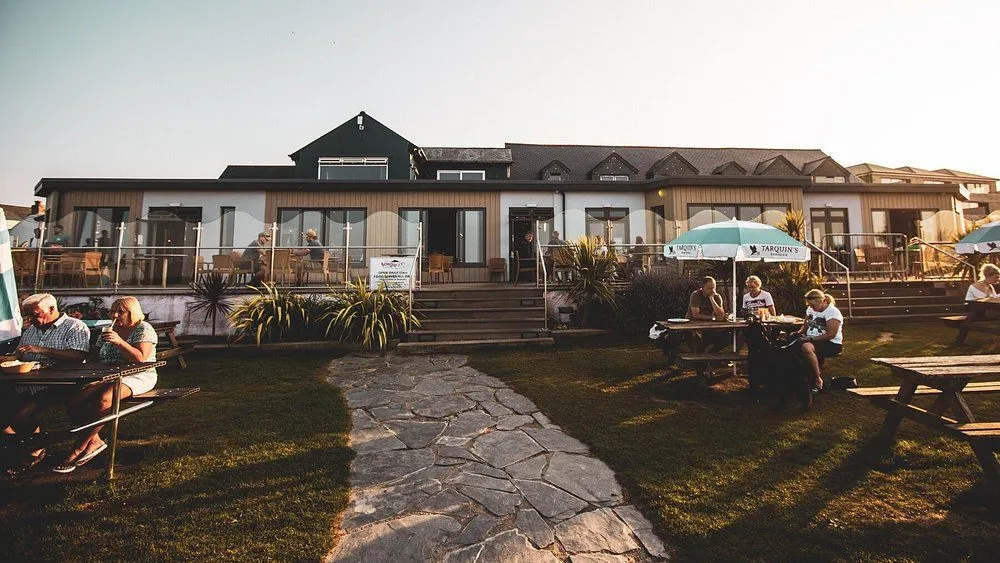
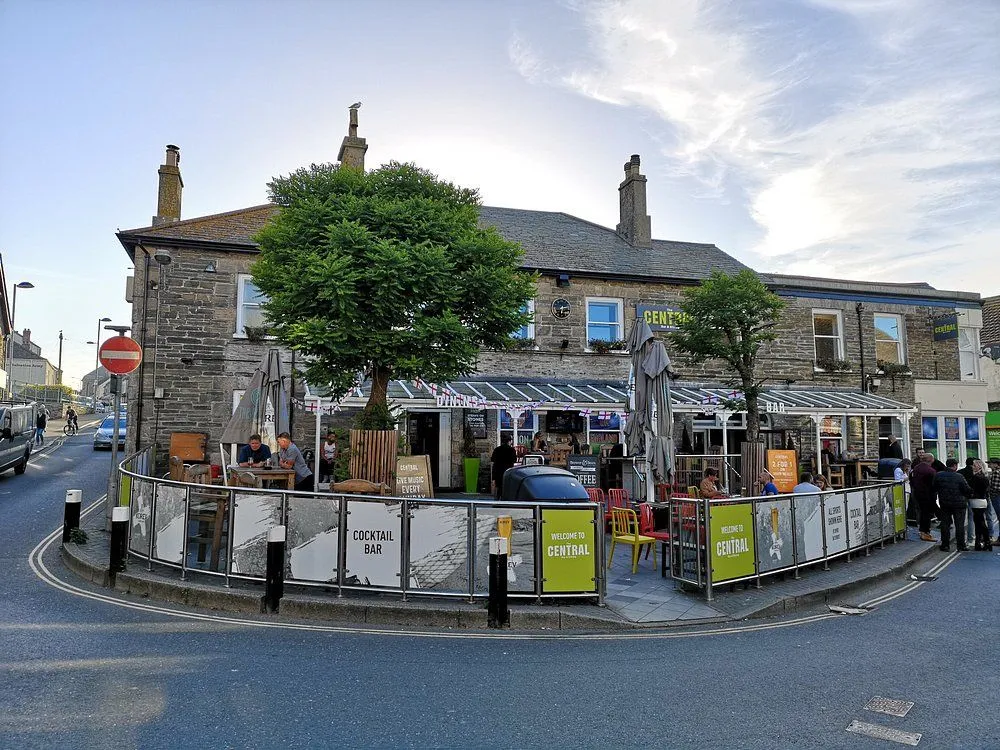
What actually closes: most beach cafes and surf hire shops shut by the end of October. Many smaller galleries and farm shops in tourist villages - particularly along the Roseland, in the far west, and around the Lizard - close entirely from November to Easter. Rock, Polzeath, and Port Isaac go very quiet. If you are planning a trip around a specific restaurant or venue, call ahead.
Truro Cathedral hosts its Christmas market through December, typically running on selected weekends from late November with over 50 independent traders. The Royal Cornwall Museum in Truro is free to enter and open Tuesday to Saturday year-round.
Towns Worth Visiting in Winter
Falmouth holds up better than almost anywhere in Cornwall outside of summer. The National Maritime Museum Cornwall is open year-round (adult tickets around £17), the Events Square area has working cafes and restaurants, and the town has a genuine resident population that keeps things moving. The chain ferry to Flushing still runs, and the walk around Pendennis Point stays accessible through winter.
Truro is the county’s only city and has enough retail, dining, and cultural provision to fill a rainy day without straining. The Christmas period brings the cathedral lights and late-night shopping from late November onwards. Outside December, it functions as a solid base with good transport links.
St Ives maintains a winter arts scene that the summer crowds often obscure. The Tate St Ives is closed for its seasonal break from November to mid-February, but the Barbara Hepworth Sculpture Garden is open year-round and admission is around £9. Independent galleries along Fore Street stay open on reduced days. The harbour-front in low season has a completely different character - accessible and calm rather than gridlocked.
Tourist villages - particularly those dependent entirely on seasonal trade - are a different story. Portscatho, Coverack, and similar small harbours can feel deserted from November, with one or two businesses open at best.
Where to Stay
Winter pricing is the single most compelling argument for an off-season visit. A property that costs £2,000 a week in August often comes in at £900-1,200 in November or January. Midweek short breaks on non-peak winter dates can be cheaper still.
Cottages with wood burners and hot tubs earn their keep in winter. Soaking outside after a full day of coast path walking, when the air is cold and the sky is clear, is significantly better than the same experience in July. Properties near working towns - Falmouth, Truro, Penryn - give you better access to open restaurants and shops when rural spots are closed.
Dog-friendly properties are in high demand from November onwards. Dogs are permitted on all Cornwall beaches without restriction from October through to Easter, which is a genuine draw for owners who want unencumbered beach walking. Book early for Christmas and New Year weeks - these fill months in advance even at winter prices.
Browse current winter availability in our full places to stay guide.
Coast Path Walking in Winter
The South West Coast Path runs 300 miles around Cornwall, and winter strips back the hedgerow growth that narrows the path in summer. You see further, walk faster, and meet far fewer people. The stretch from Zennor to St Ives (7 miles, around 3-4 hours) is one of the most dramatic sections on the north coast and works well in good winter weather - clear sightlines across the water to the Isles of Scilly on dry days. The Lizard circuit from Lizard village to Kynance Cove and back (roughly 5 miles) stays open year-round and gives you the serpentine rock formations without the summer coaches.
Pack waterproofs, check forecasts through the Met Office coastal pages, and tell someone where you are going on longer routes. The coast path is well-maintained but exposed sections can be genuinely difficult in high winds.
See also: Cornwall in Spring · Cornwall in Autumn · Best Cottages in Cornwall