Mullion
Largest village on the Lizard with a working harbour and Kynance Cove nearby
Eglosmelin
Mullion is the largest village on the Lizard in south Cornwall, sitting about a mile back from the coast on the peninsula’s western side. It is a working village with a shop, a couple of pubs, and a church with carved bench ends, while Mullion Cove harbour - maintained by the National Trust since the 1890s - lies a short walk downhill. The Marconi Centre at nearby Poldhu marks the site of the first transatlantic radio signal, sent in 1901.
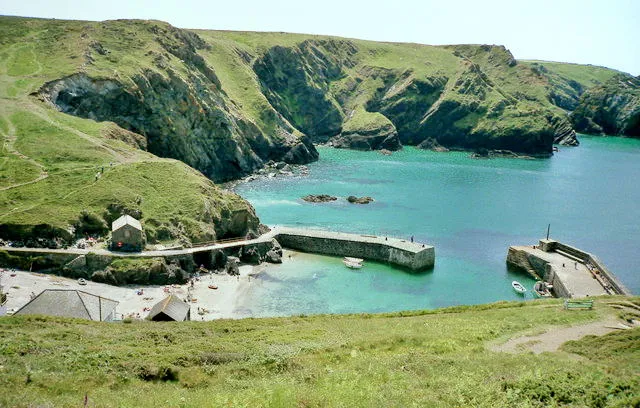
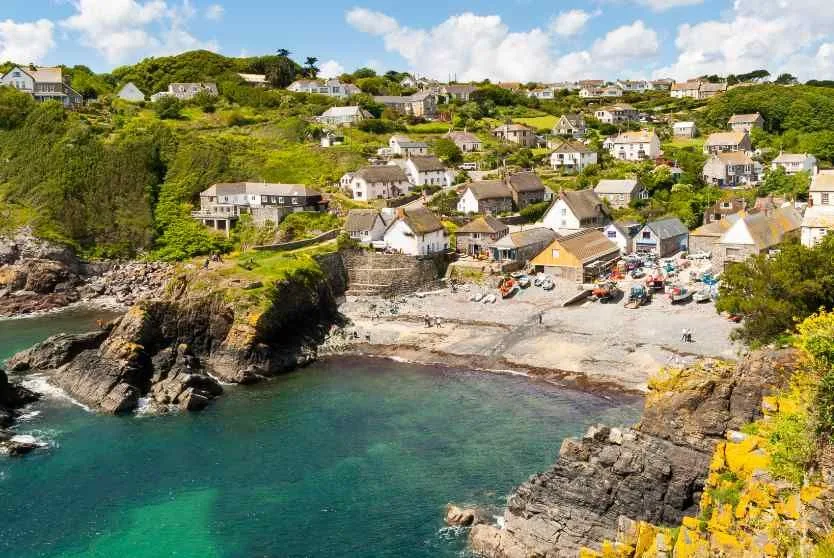
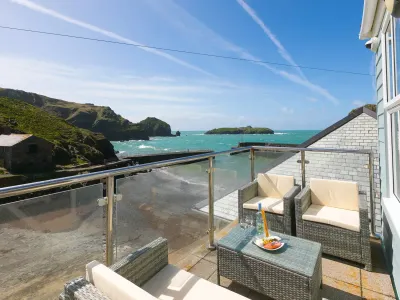
The star of the show is Mullion Cove, a short drive or walk from the village. The tiny harbour, protected by granite walls built in the 1890s and now maintained by the National Trust, is wedged into the cliffs with just enough room for a handful of boats. It’s a working harbour that happens to be wedged into one of the most dramatic settings on the Lizard - fishermen still go out from here. The beach at the cove is small and shingly, but the dramatic cliff scenery more than compensates. Mullion Island, just offshore, is a nesting site for seabirds including guillemots and cormorants.
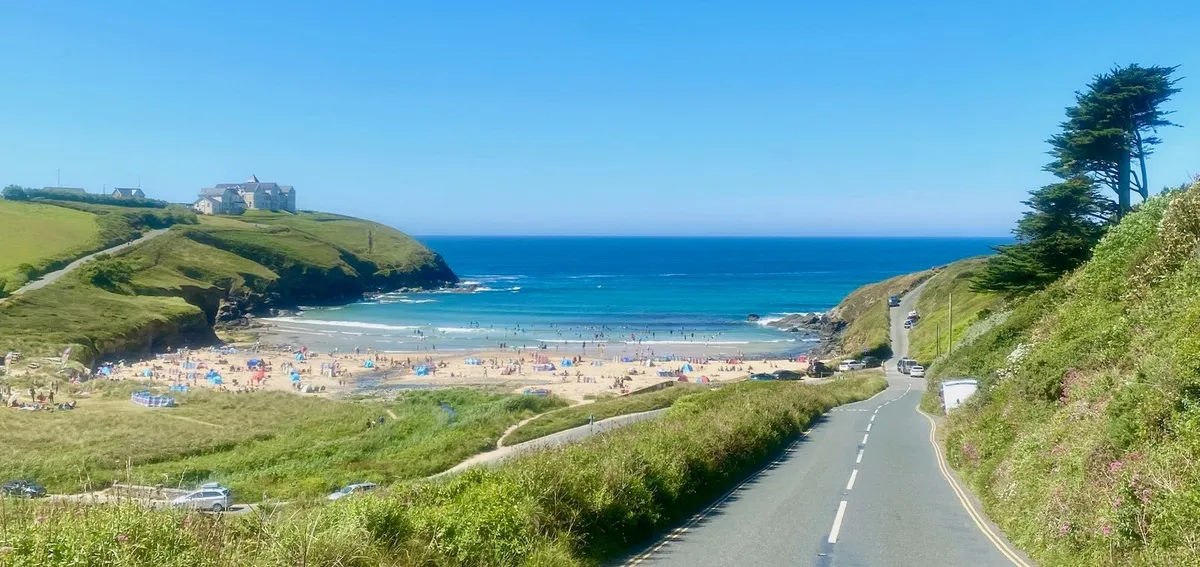
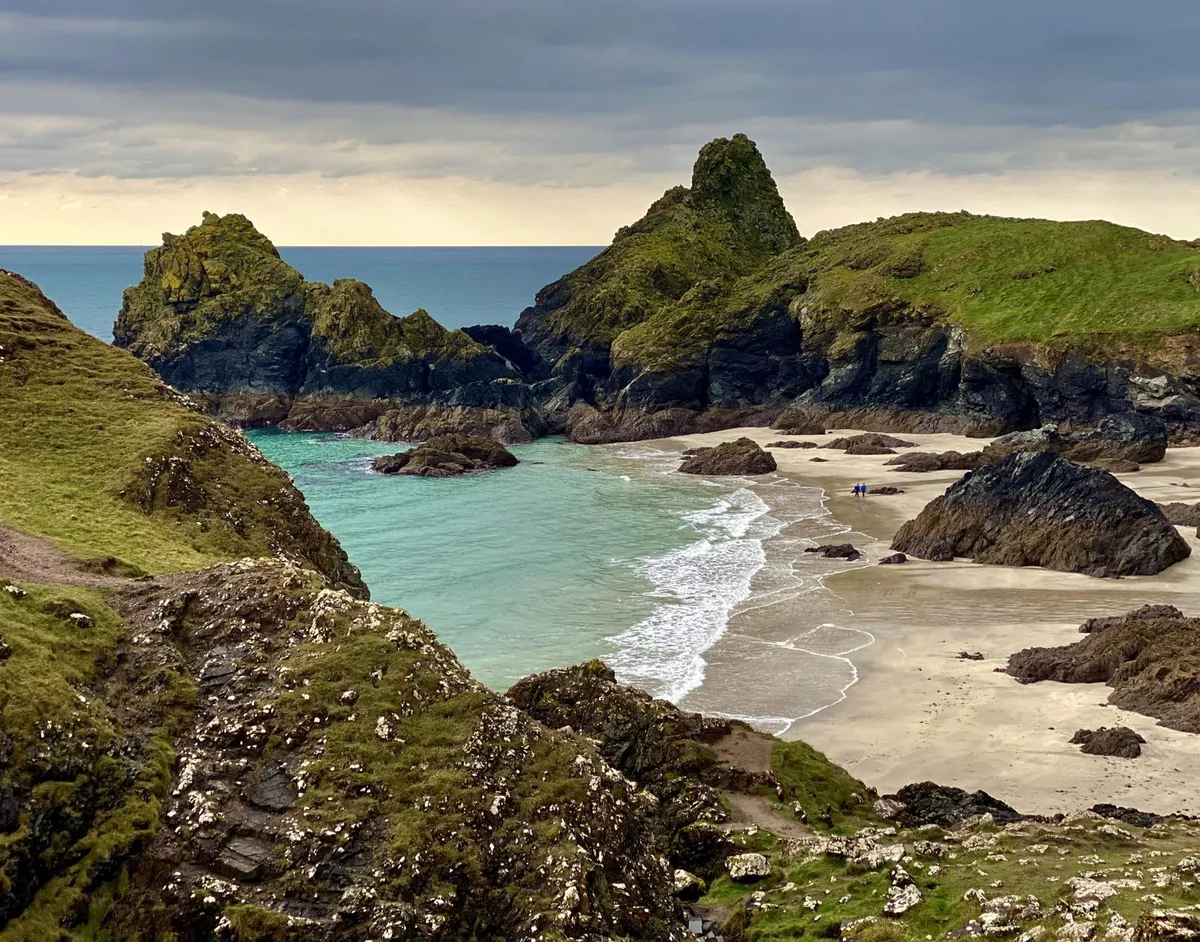
From Mullion you can easily walk the coast path south to Kynance Cove - widely considered one of the most beautiful beaches in the country - or north along the cliffs towards Gunwalloe and Church Cove. The the Lizard as a whole has a wilder, less commercialised feel than much of Cornwall, and Mullion makes an excellent base for exploring it. The Marconi Centre at Poldhu, where the first transatlantic radio signal was sent in 1901, is just up the coast.
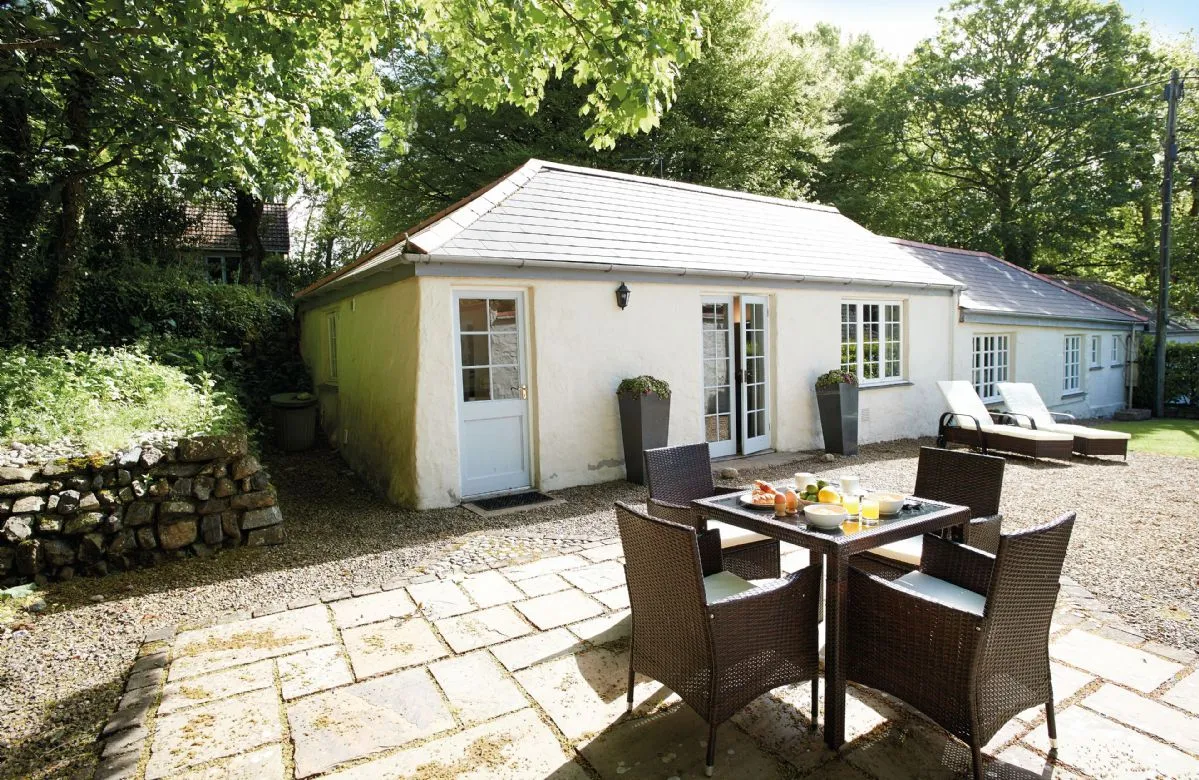
Places to Stay in Mullion
Hand-picked accommodation from cottages to boutique hotels.
Beaches near Mullion
From hidden coves to golden surf strands.