Lamorna
Secluded cove and former artists' colony near Penzance
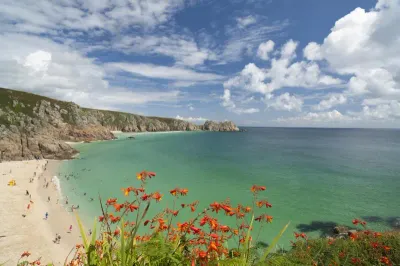
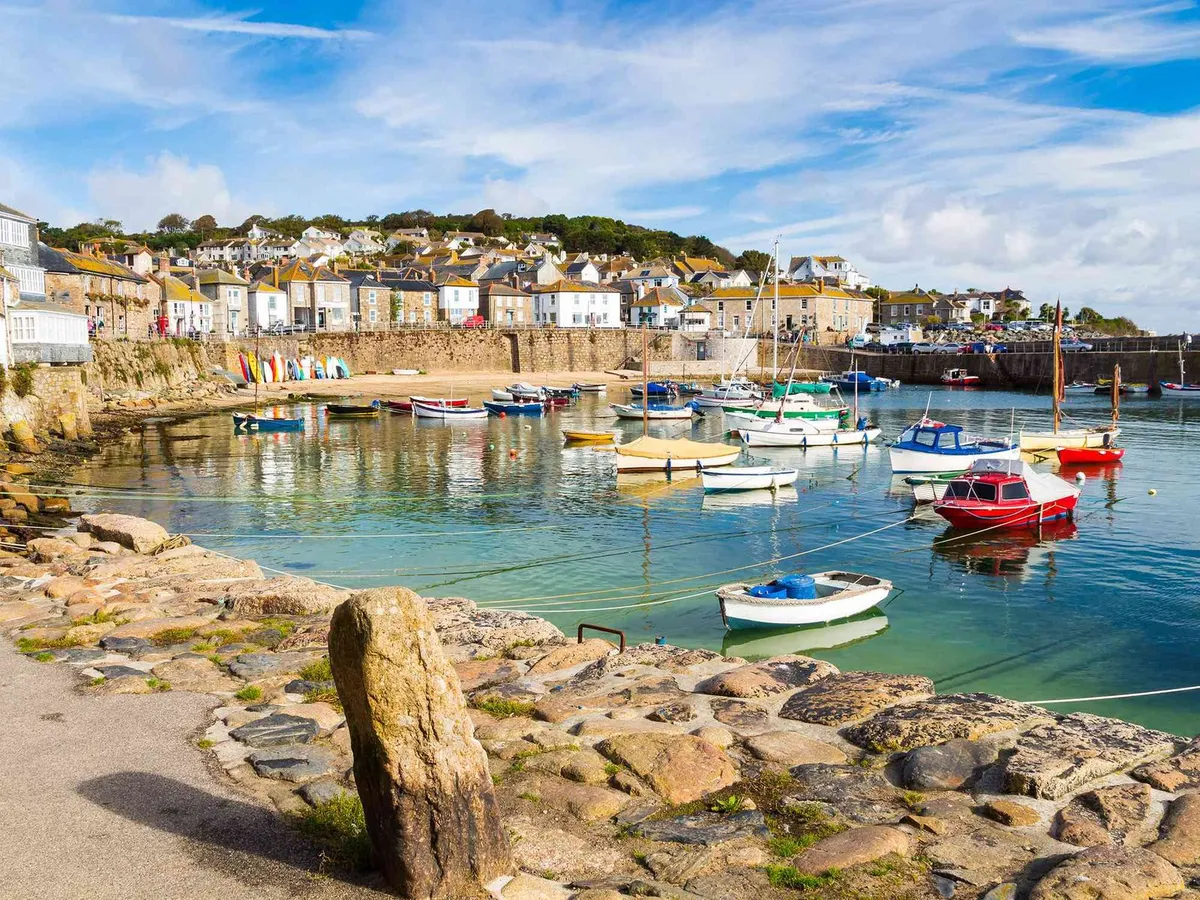
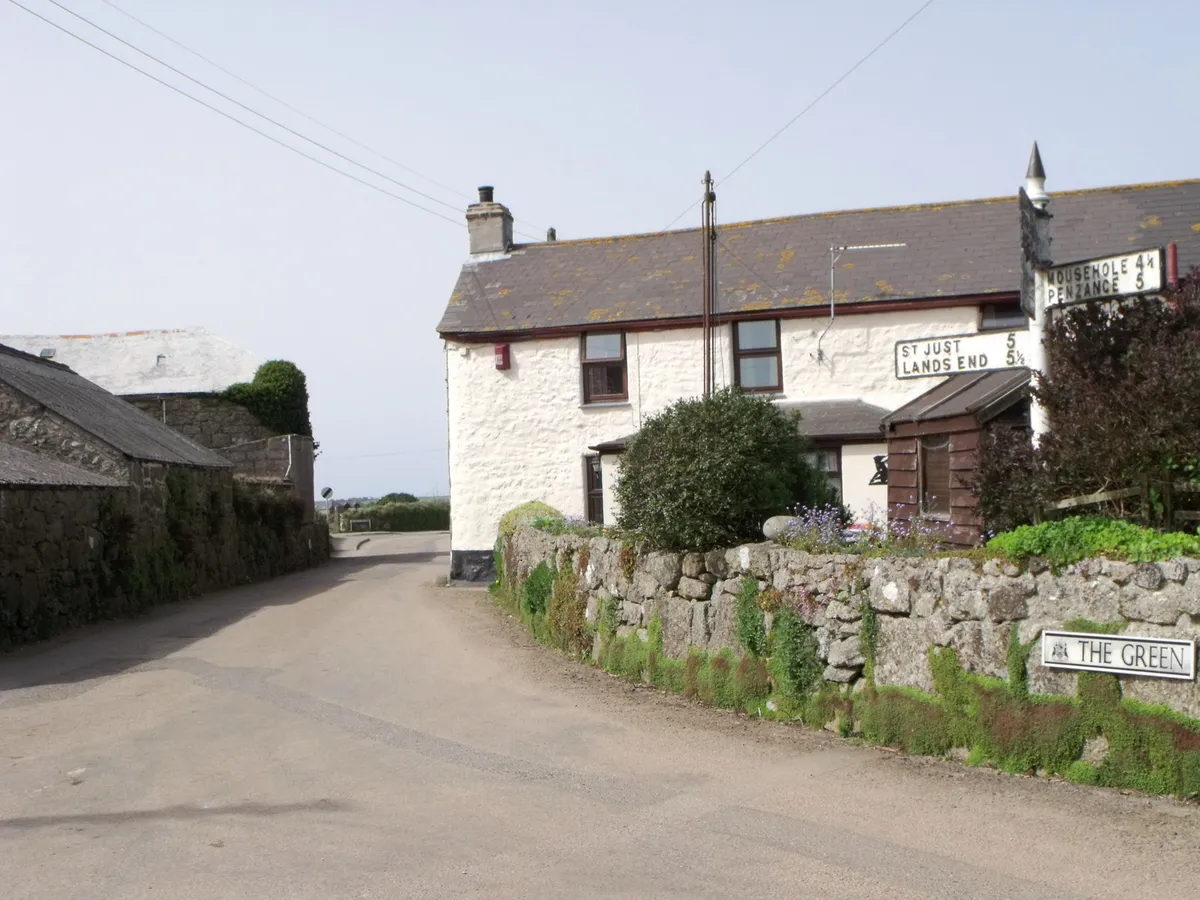
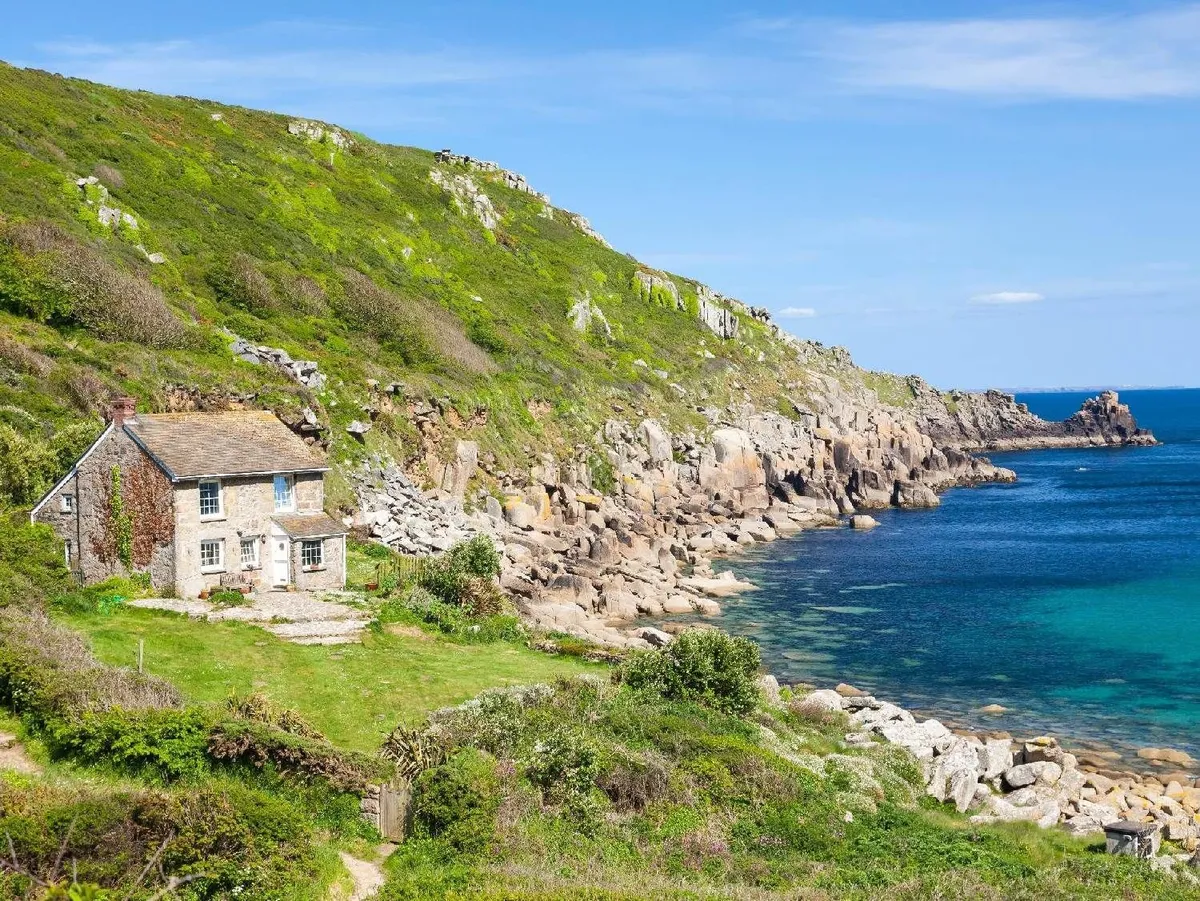
Lamorna is a narrow wooded valley running down to a small cove on the south coast of the Penwith peninsula, roughly 4 miles south of Penzance. The cove has a granite quay built in the 1850s for shipping stone from the quarry above, and a small rocky beach that fills with clear water at high tide. The quarry provided granite for construction projects across the region before operations wound down in the early 20th century.
The valley’s reputation rests largely on its artists’ colony. Samuel John Birch arrived in Cornwall in 1889, drawn by the Newlyn school of painters, but settled in Lamorna by 1892. He became known as “Lamorna” Birch - a name suggested by Stanhope Forbes to distinguish him from another local artist called Lionel Birch. From 1902 until his death in 1955, he lived at Flagstaff Cottage and painted the surrounding cliffs, streams, and woodland. He was elected a Royal Academician in 1934. In the decade between 1910 and 1920, Lamorna became one of Cornwall’s leading art colonies, attracting Laura and Harold Knight, Alfred Munnings, and Dod Procter - all of whom went on to become Royal Academicians. The Lamorna Society now works to preserve the colony’s legacy, and Penlee House gallery in Penzance regularly exhibits work from the group.
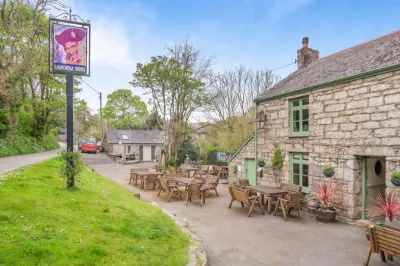
The coast path passes along the cliff above the cove, with walks east to Mousehole (2 miles) or west to Tater Du lighthouse and the dramatic granite headlands toward Porthcurno. The Lamorna Wink, a pub partway down the valley, is the only commercial establishment - its name refers to the old practice of winking to the landlord for a drink during times when the pub lacked a licence. The Merry Maidens stone circle, a well-preserved Bronze Age monument of 19 granite stones, stands in a field half a mile inland.
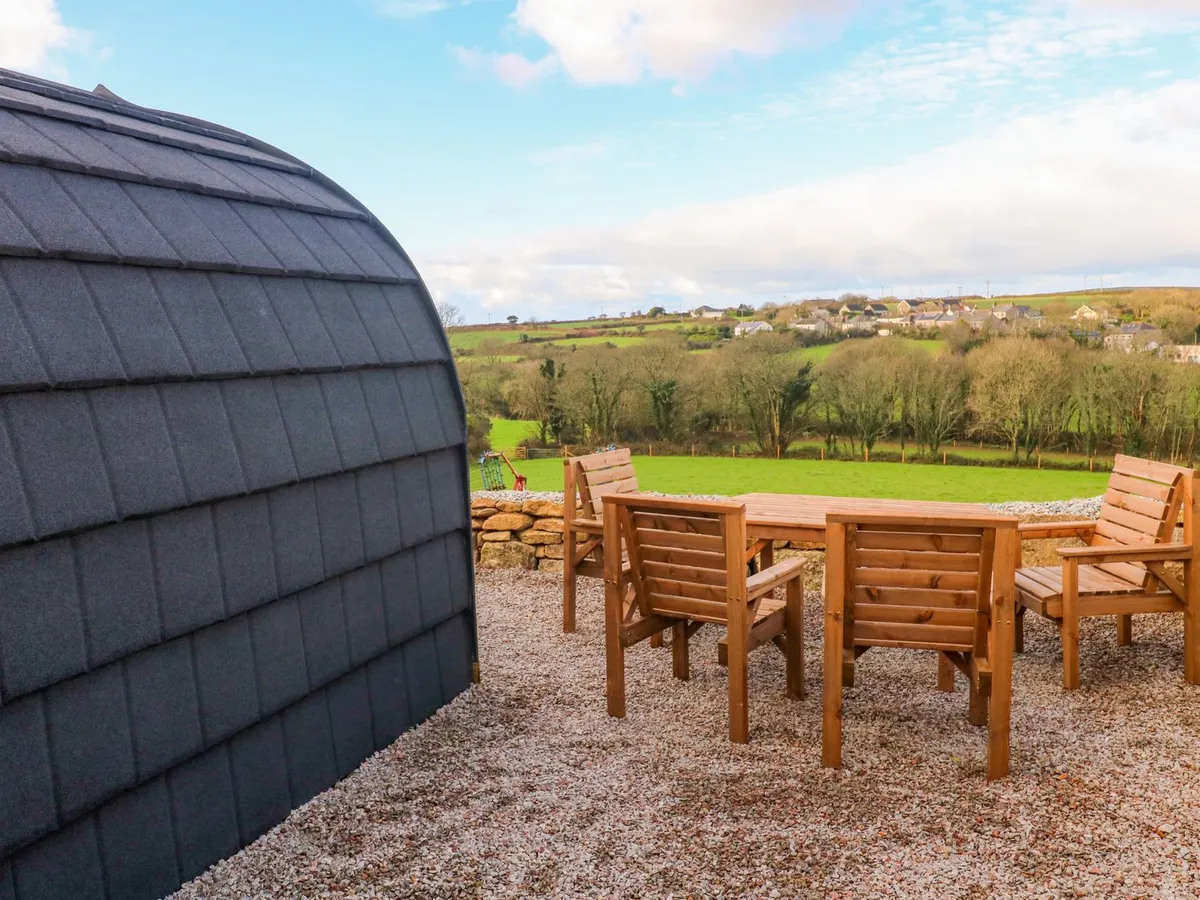
Places to Stay in Lamorna
Hand-picked accommodation from cottages to boutique hotels.
Live availability in Lamorna
Sample dates: 24 April 2026 - 26 April 2026. Adjust below to see live prices for Lamorna.