Cawsand
Twin fishing villages on the Rame Peninsula facing Plymouth Sound
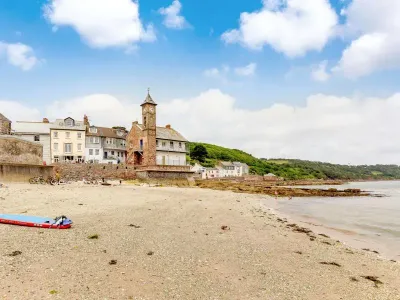
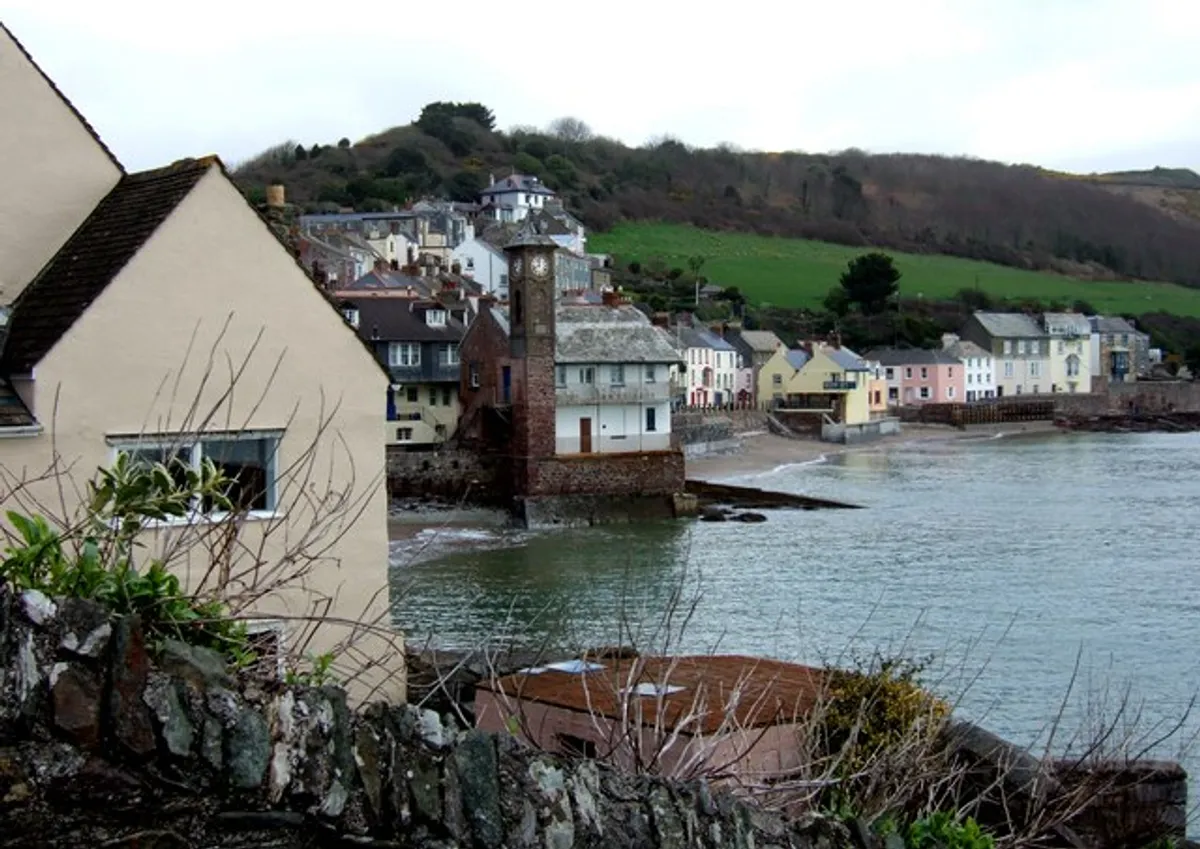
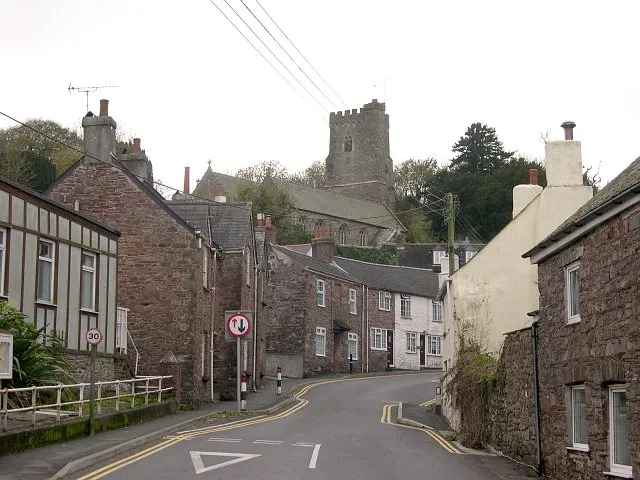
Cawsand and neighbouring Kingsand are twin fishing villages on the Rame Peninsula in southeast Cornwall, facing east across Plymouth Sound. The villages are connected by narrow, largely car-free lanes lined with pastel-coloured cottages. Until 1844, the old county boundary between Cornwall and Devon ran directly between the two settlements - a plaque on a house in Garrett Street marks the exact line. The boundary shift brought Kingsand into Cornwall, but the two villages retain distinct identities despite sitting side by side.
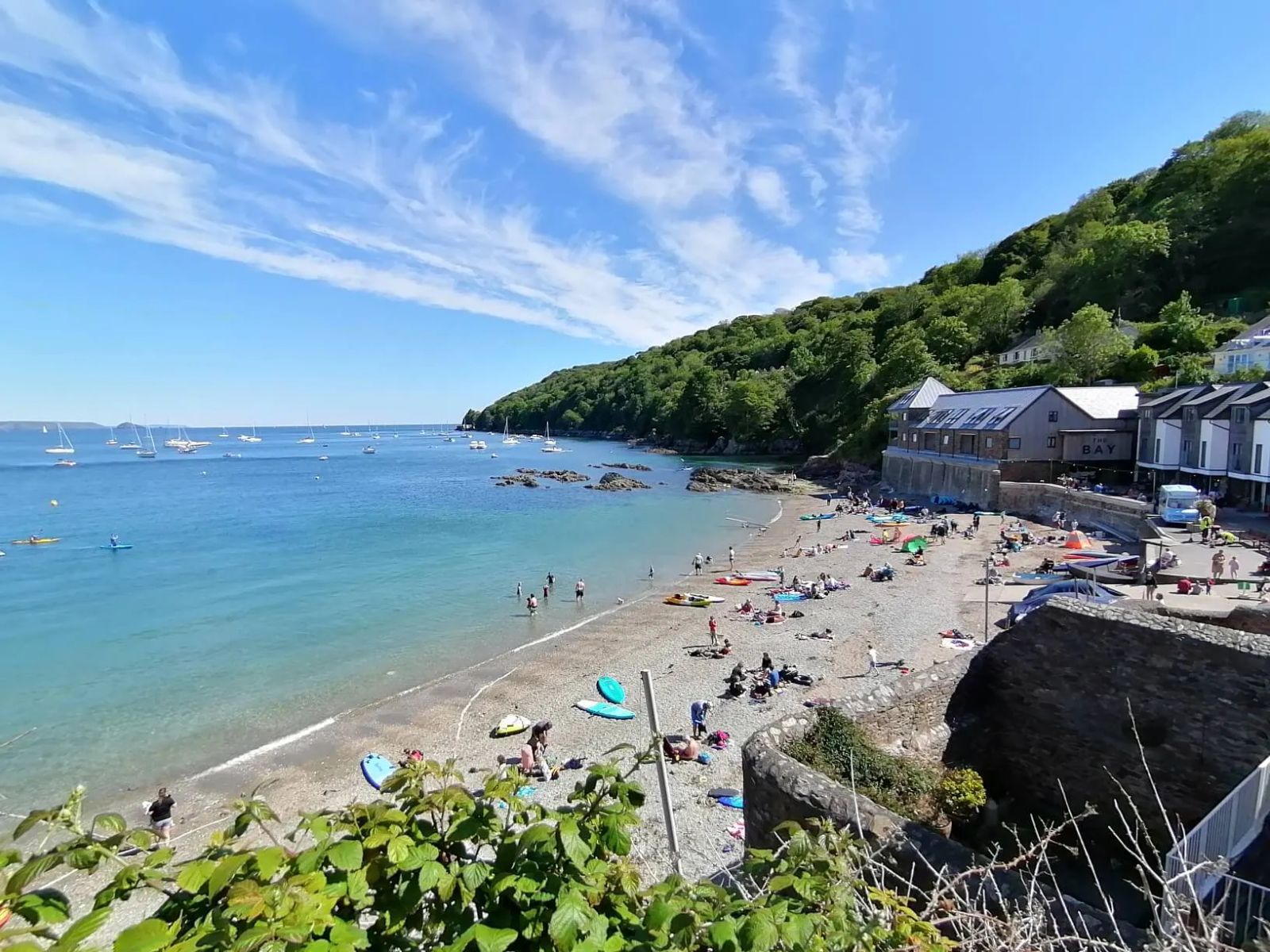
Three beaches serve the villages: Cawsand Beach is mostly sandy and sheltered, facing east for calm water and afternoon sun; Kingsand Bay has a mix of sand and shingle; and Girt Beach between them is more shingle-based. During summer months, kayak and paddleboard hire is available from the beach. Four pubs are shared between the two villages, along with several cafes and restaurants.
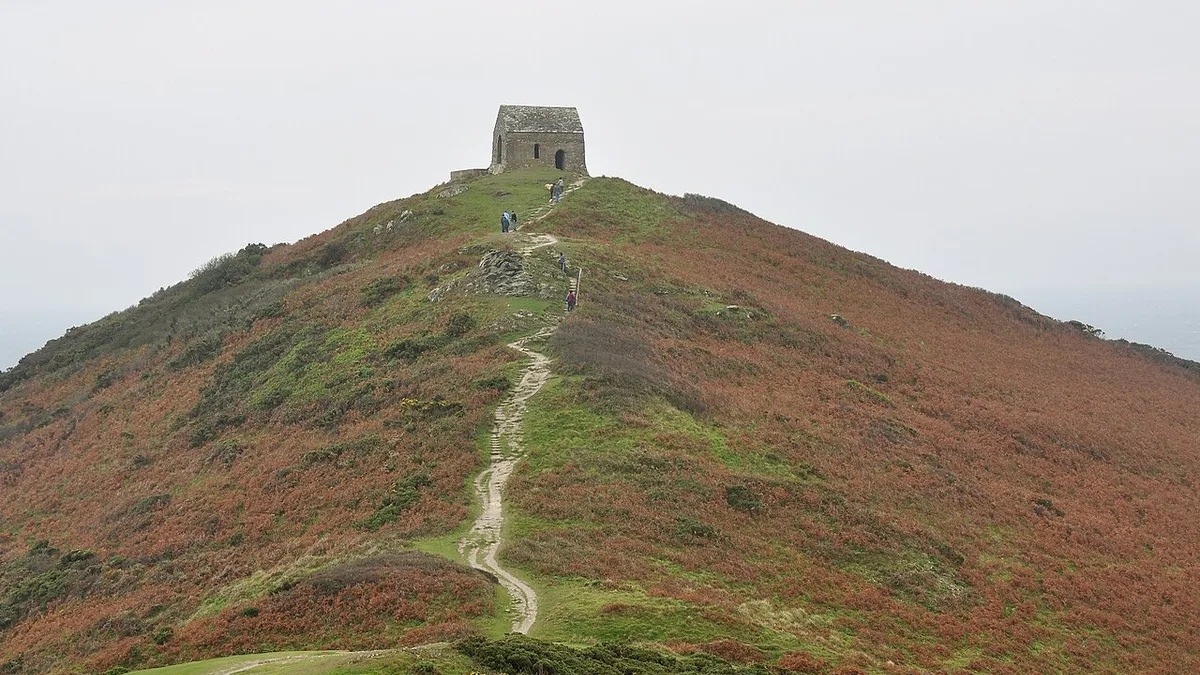
The Rame Peninsula coast path runs along cliffs with views to Plymouth, the Eddystone lighthouse, and across to the Devon coast. Rame Head, the southernmost point of the peninsula, has a medieval chapel on its summit and is a 2-mile walk from the village. The headland is one of the best vantage points in southeast Cornwall. Walking north from Kingsand, the path climbs onto Maker Heights, a plateau of Napoleonic-era fortifications with wide views over Plymouth Sound, before continuing to Mount Edgcumbe Country Park - 800 acres of formal gardens, deer park, and coastal woodland stretching along the shore toward Cremyll.
The villages have a long maritime history, with Napoleonic-era defences dotted across the peninsula and a smuggling past that gave the narrow lanes their character. The relative difficulty of reaching Cawsand by road - the Rame Peninsula has only one main route in - means the villages stay quieter than most coastal settlements in Cornwall, even in high summer.
Places to Stay in Cawsand
Hand-picked accommodation from cottages to boutique hotels.
Live availability in Cawsand
Sample dates: 24 April 2026 - 26 April 2026. Adjust below to see live prices for Cawsand.