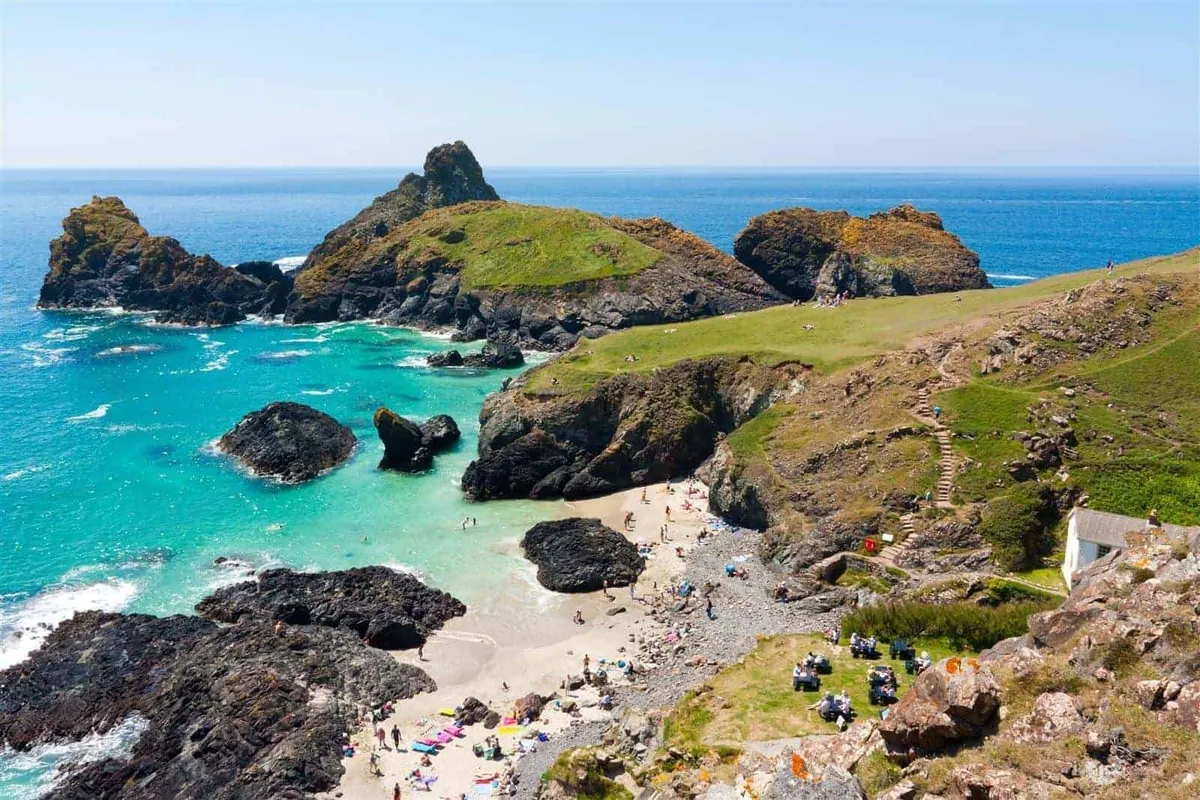
Cornwall is one of the most popular holiday destinations in Europe, welcoming over five million visitors every year. But there is far more to this corner of England than tourism - it is a place with a distinct identity, a rich industrial past, and a way of life that feels genuinely different from the rest of the UK.
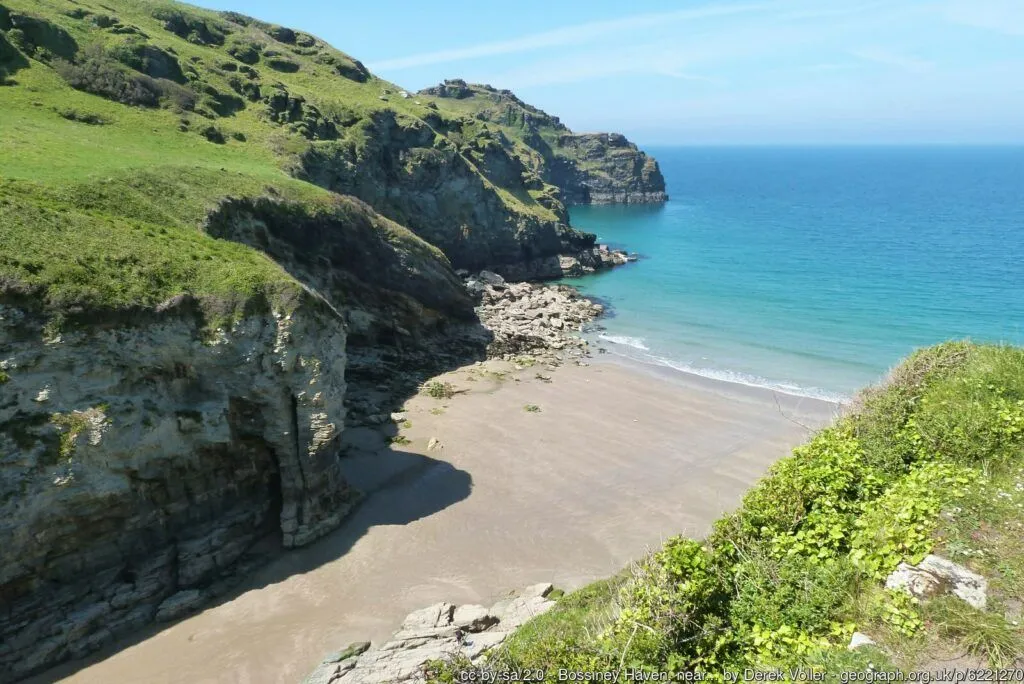
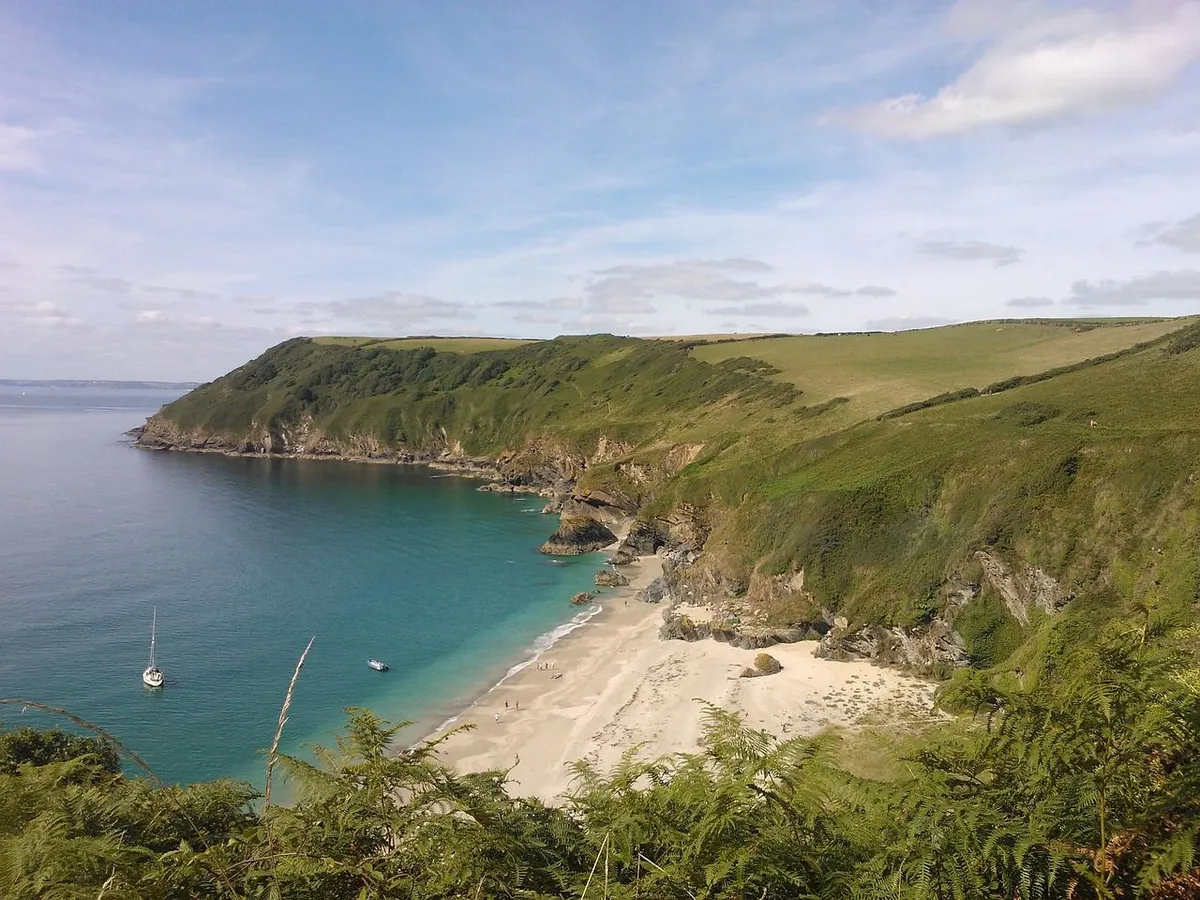
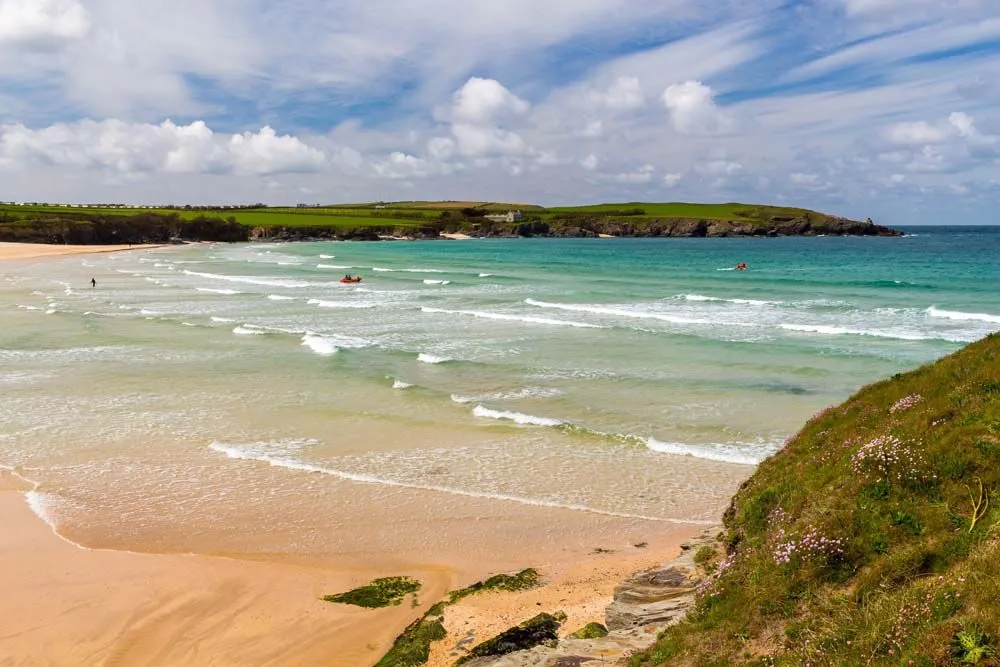
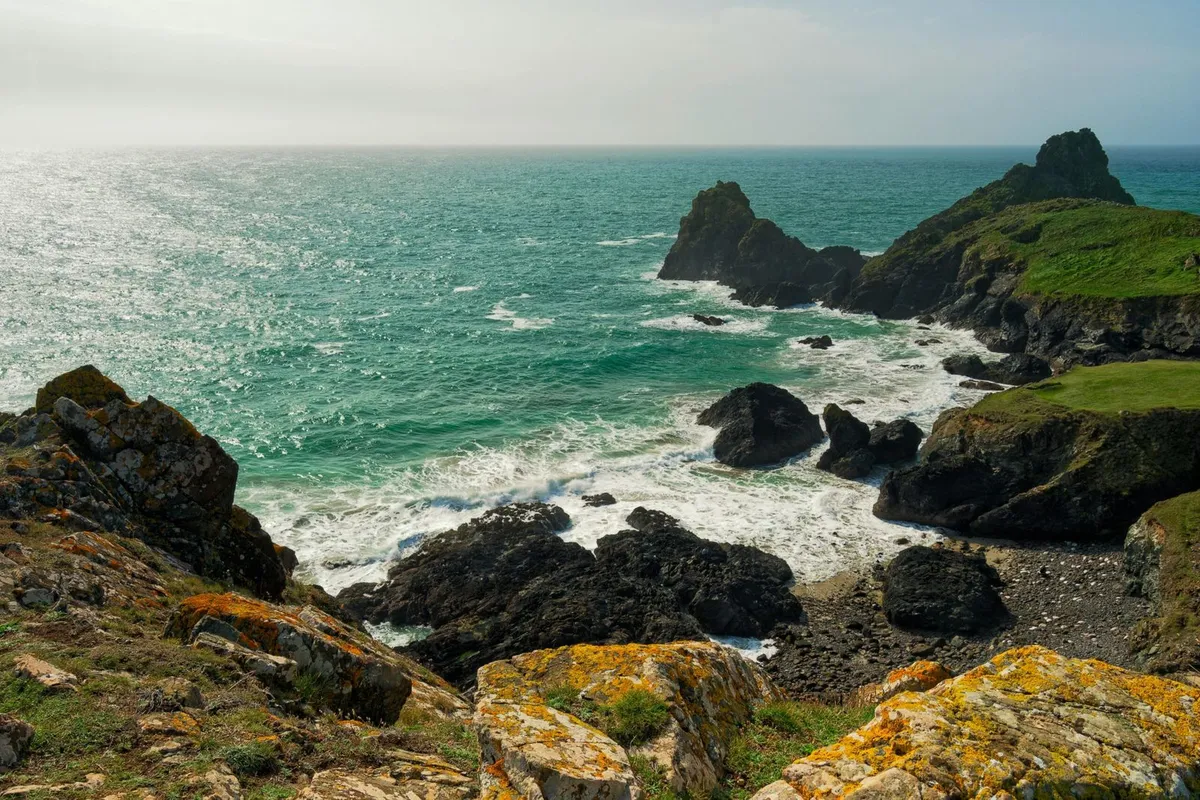
Cornwall occupies the southwestern tip of the country, a peninsula surrounded by the English Channel to the south and the Celtic Sea to the north and west. Its coastline stretches for over 400 miles and includes some of the finest beaches in Britain, from sheltered south-coast coves to the powerful surf breaks of the Atlantic north coast.
Climate
The UK is not generally known for its weather, but Cornwall is the exception. The county enjoys the mildest climate in Britain, thanks to the warming influence of the Gulf Stream. Winters are noticeably warmer than the rest of England, frosts are rare, and subtropical plants thrive in gardens like the Lost Gardens of Heligan and Trebah. Summers are pleasantly warm without being oppressive, making Cornwall an appealing holiday destination at any time of year.
A history of mining and fishing
Before tourism, Cornwall’s economy was built on tin and copper mining. For centuries, Cornish mines supplied much of Europe’s tin, and the legacy of this industrial past is visible across the landscape - from engine houses perched on clifftops to the underground workings at Geevor Tin Mine, the largest preserved mining site in the UK. Ten Cornish mining sites have been granted UNESCO World Heritage Status in recognition of their global significance.
Fishing was the other great industry, and it remains an important part of Cornish life. Harbours at Padstow, Mevagissey, and Newlyn still land fresh catches daily, supplying the restaurants and fish markets that have helped make Cornwall a serious food destination. Tourism now accounts for around a quarter of the county’s economy.
Key statistics
According to the 2021 census, Cornwall has a population of approximately 570,300 - making it one of the more sparsely populated counties in England, with a density of around 160 people per square kilometre. The retired population is higher than the national average, which contributes to the relaxed pace of life that visitors notice immediately.
Cornwall is also home to one of the world’s most important internet infrastructure hubs - transatlantic fibre optic cables land at Bude, making this seemingly remote peninsula a critical node in Europe’s digital connectivity.
The Cornish language
Everyone in Cornwall speaks English, but there is also a Cornish language with ancient Celtic roots. Once close to extinction, the language has seen a revival in recent decades. Bilingual signs appear on public buildings, some schools teach through the medium of Cornish, and a growing number of people are learning it. While you are unlikely to need it during your visit, the language adds another layer of character to a county that takes pride in its distinct identity.
Sport and culture
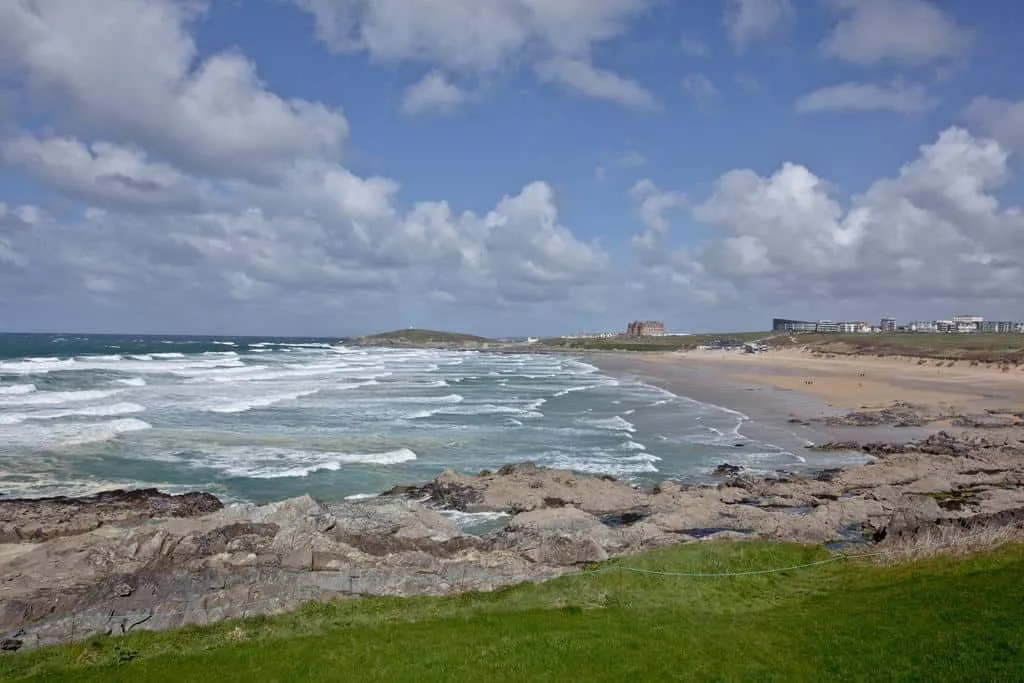
Cornish people are passionate about their sports. Rugby has particularly strong ties to Cornish culture - the county has its own representative team and a devoted following. Cornish wrestling, the county’s oldest sport, has traditions that have influenced wrestling styles around the world. Football, cricket, and surfing are all hugely popular too, with competitive surfing events held at beaches like Fistral throughout the year.
Getting to Cornwall
Cornwall is easier to reach than many people expect. By car, the M5 motorway runs south from Bristol to Exeter, where the A30 dual carriageway continues into Cornwall - the drive from London takes around 4.5 to 5 hours depending on traffic, and roughly 3 hours from Bristol. The A30 passes through Launceston and Bodmin before continuing to Penzance at the western tip.
By train, Great Western Railway runs direct services from London Paddington to Cornwall, with the journey to Truro taking around 4.5 hours. The line continues along the coast through St Austell, Par, and St Ives via a scenic branch line. For something more memorable, the Night Riviera sleeper service departs Paddington in the evening and arrives in Penzance the following morning.
Newquay Cornwall Airport handles flights from several UK cities and a small number of European routes, making it the quickest option for those flying from further afield. Exeter Airport, roughly 90 minutes from the Cornwall border by road, offers a wider range of destinations.
Towns and regions
Cornwall divides naturally into distinct areas, each with its own character.
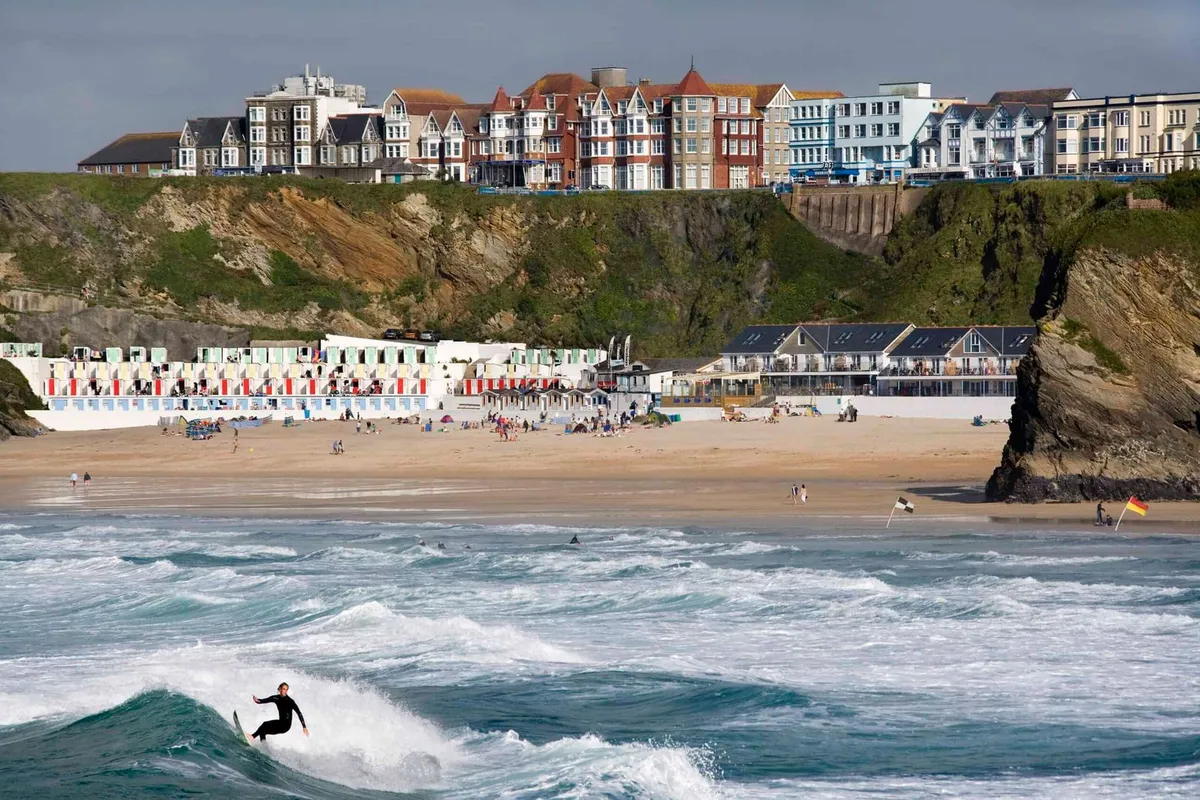
The north coast is defined by Atlantic surf beaches, rugged cliffs, and popular resort towns. Newquay is the largest, known for surfing and nightlife. Padstow combines a working fishing harbour with Rick Stein’s restaurant empire. Bude and Tintagel sit further north, closer to the Devon border, with some of the most dramatic cliff scenery in the county.
The south coast is more sheltered, with warmer waters, wooded river valleys, and pretty harbour villages. Falmouth has a deep-water harbour and a strong arts and maritime scene. Fowey, Mevagissey, and Looe are traditional fishing ports with narrow streets and colourful cottages. The Roseland is one of Cornwall’s quietest and most scenic corners.
West Cornwall takes in St Ives, Penzance, and the Lizard, where the landscape feels wilder and more remote. The Isles of Scilly, 28 miles off Land’s End, are accessible by ferry or small plane and feel like a different world entirely. See our explore guide for more on each area.
Food and drink
Cornwall has become one of the UK’s most respected food destinations. The pasty remains the most famous export - a crimped pastry filled with beef, potato, onion, and swede - and you will find bakeries in every town arguing over who makes the best one.
Fresh seafood is everywhere, from crab sandwiches on the harbour wall at Padstow to Falmouth oysters. Cornish cream teas are a tradition worth trying at least once - scone, clotted cream, and strawberry jam, served in tea rooms across the county. The local rule is cream first, then jam, though some will disagree. Read more in our guide to Cornish food.
Sharp’s Brewery in Rock, Skinner’s in Truro, and St Austell Brewery all produce ales that are available across the county, and a growing number of vineyards are making Cornish wine.
What to do
Beyond the beaches, Cornwall has enough attractions to fill weeks. The Eden Project near St Austell houses tropical and Mediterranean biomes in a former clay pit. The South West Coast Path runs for 296 miles along the entire Cornwall coastline, with day sections available from almost every coastal town. Surfing, kayaking, and coasteering are covered in our watersports guide.
For history, Tintagel Castle, Geevor Tin Mine, and the Minack Theatre (carved into a clifftop above the sea) are all worth a full afternoon. Families are well catered for too - see our things to do guide for details.
Cornwall is a genuinely special place - beautiful, distinctive, and full of character. The combination of 400 miles of coastline, a mild Gulf Stream climate, a deep industrial history, and genuinely welcoming communities is what keeps millions of people coming back year after year. If you have never visited, our places to stay guide is a good place to start planning.